
Description
Symptoms
Initial symptoms present as small, water-soaked spots on the leaves, which quickly enlarge into circular or irregular brown lesions, often surrounded by a light yellow halo.
Under conditions of high humidity, a white, powdery or fuzzy fungal growth may be visible on the underside of infected leaves, which is a key diagnostic feature of C. theae.
The fungus also causes blighting of stems and petioles, resulting in rapid wilting and eventual dieback of entire branches or the terminal parts of the plant.
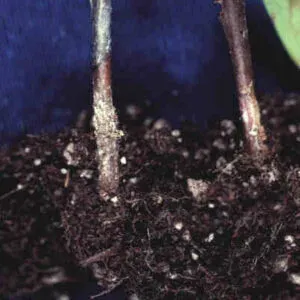
On woody stems, the infection can manifest as dark, sunken cankers that constrict the stem, interrupting nutrient flow and causing the tissue above the canker to die.
Severely infected azaleas suffer from heavy premature defoliation, leaving the plant stunted, unsightly, and lacking the vigor necessary for floral development.
Pathogen
The causative agent of this disease is the fungus Cylindrocladium theae (often associated with the genus Calonectria), which is a common and destructive pathogen affecting various woody ornamentals.
The pathogen is soil-borne, surviving in the form of microsclerotia within the growing medium or in plant debris. It can persist in the environment for several years, making it a persistent threat in nurseries.
The fungus produces conidia, which are asexual spores that spread rapidly through water splashing, contaminated tools, or even infested runoff water in greenhouses.
Infection occurs when spores land on susceptible leaf tissue, often entering through natural openings or wounds created by insects or mechanical damage during handling.
The life cycle of the pathogen is highly dependent on humidity levels; under conducive conditions, it can complete its reproductive cycle in a matter of days, leading to severe outbreaks.
Conditions for development
High relative humidity is the primary driver of disease development, as the fungus requires a film of water on the plant surface to germinate and penetrate the host tissue.
The disease thrives in temperatures ranging from 20°C to 25°C (68°F–77°F), which coincidentally aligns with the optimal growth conditions for azaleas and rhododendrons.
Poor greenhouse ventilation leads to localized pockets of high humidity, creating a perfect microclimate for the rapid colonization of foliage and stems.
Overhead irrigation systems are major contributors to the spread of the pathogen, as they splash spores from infected plants onto healthy neighboring plants.
High planting density restricts airflow between plants, preventing leaves from drying out quickly after watering and thereby increasing the susceptibility of the entire crop.
Why it matters
The disease is economically devastating for nursery operations, often resulting in the total loss of inventory and the high cost of destroying infected batches.
It severely degrades the ornamental value of azaleas, rendering them unsuitable for sale, which directly impacts the profitability of greenhouse flower production.
The systemic nature of the infection means that once established, it is difficult to eradicate without significant intervention or complete replacement of the growing substrate.
Infected plants become stressed and are often more susceptible to other pathogens or environmental factors like temperature fluctuations or drought.
For gardeners and collectors, the disease can cause the loss of rare or legacy cultivars, leading to significant disappointment and the need for expensive restorative gardening practices.
Protection
Effective management begins with strict sanitation: sourcing only disease-free plants and using sterilized potting media for all containerized crops.
Improving the greenhouse environment by optimizing spacing, increasing airflow, and using drip irrigation instead of overhead watering can significantly reduce infection rates.
Chemical control is possible using systemic fungicides, such as those in the thiophanate-methyl or benzimidazole groups, applied as a preventive or early-stage curative treatment.
Regular monitoring of plants, particularly the undersides of leaves, allows for early detection and the immediate removal of symptomatic plant material to prevent secondary spread.
- Sanitize all tools with a diluted bleach or disinfectant solution between use.
- Avoid working with wet plants to prevent spreading spores.
- Ensure proper drainage in pots to prevent root and crown stress.
Pathogens and affected parts
Affects crops · 1
Discussion
No discussions yet — be the first.