
Cristinia gallica
Cristinia gallica
Description
Symptoms
The most distinctive sign is the formation of gall-like structures on the bark of trunks and branches, caused by the tree's reaction to fungal colonization.
The bark surface appears rough, darkened, and may develop vertical fissures or cracks, eventually becoming brittle and exfoliating.
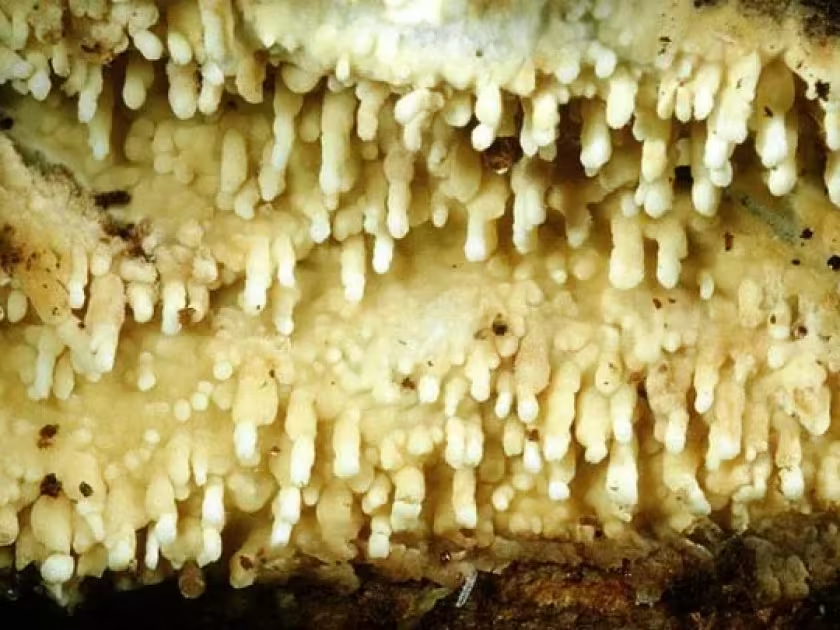
During periods of high moisture, small, creamy-colored or whitish fruiting bodies of the fungus may emerge from the affected bark areas.
Leaves on infected branches may exhibit symptoms of chlorosis, reduced size, or premature senescence as nutrient flow is hampered.
When the bark is removed, the underlying wood may show discoloration and softened patches, indicating internal decay processes.
Pathogen
Cristinia gallica is a species of fungus in the family Corticiaceae, known for its role in decaying woody substrates.
This basidiomycete fungus functions primarily as a decomposer, breaking down complex organic compounds like lignin and cellulose within tree tissues.
While often saprotrophic, in weakened trees, it can colonize living bark and cambium layers, causing localized tissue damage and stress.
The fungus spreads via airborne spores, which germinate upon contact with tree wounds, insect galleries, or dead branches.
Biological studies of this fungus often focus on its contribution to forest ecosystem turnover, but its presence in orchards can be problematic for tree health.
Conditions for development
Prolonged high humidity and lack of proper airflow around the tree crown provide optimal conditions for the colonization of Cristinia gallica.
Trees with pre-existing injuries, such as sunscald, frost cracks, or improper pruning wounds, are significantly more susceptible to infection.
Overcrowded plantings and poor site drainage increase the humidity levels, which favors spore germination and mycelial growth.
Stress factors such as drought, nutrient deficiency, or pest infestation lower the tree's natural resistance, allowing the fungus to establish more easily.
The absence of regular orchard hygiene allows inoculum to build up, facilitating the spread of the pathogen between adjacent trees.
Why it matters
The primary damage is the disruption of vascular tissues, which prevents the effective movement of water and nutrients throughout the plant.
Severe infections can lead to the structural failure of branches, posing a risk during heavy storms or winters with significant snow accumulation.
Chronic colonization drains energy from the tree, reducing its vigor, growth rates, and overall ability to produce fruit or foliage.
In ornamental landscaping, the development of galls causes irreversible aesthetic damage, leading to the distortion of the tree's natural shape.
If left unmanaged, the cumulative damage can result in the complete death of the affected branch or, in extreme cases, the entire tree.
Protection
Sanitation is the cornerstone of management: all infected branches should be pruned back to healthy wood and destroyed immediately.
Proper wound healing management, using effective sealants or protective paints, is essential to prevent entry points for the fungal spores.
Maintaining optimal tree vigor through balanced fertilization and appropriate irrigation helps the tree bolster its defense mechanisms.
Regular thinning of the crown improves light penetration and air circulation, creating a microenvironment less suitable for fungal growth.
Applying fungicides as a preventative measure during vulnerable periods, such as early spring or after significant pruning, can significantly reduce the risk of outbreaks.
Discussion
No discussions yet — be the first.