
Description
Symptoms
Initial symptoms are characterized by small, reddish-brown to purple spots that appear on the surface of leaves and stems during early infection stages.
As the disease progresses, these spots expand, often developing a pale, ash-gray center surrounded by a distinct dark-brown or mahogany-colored margin.
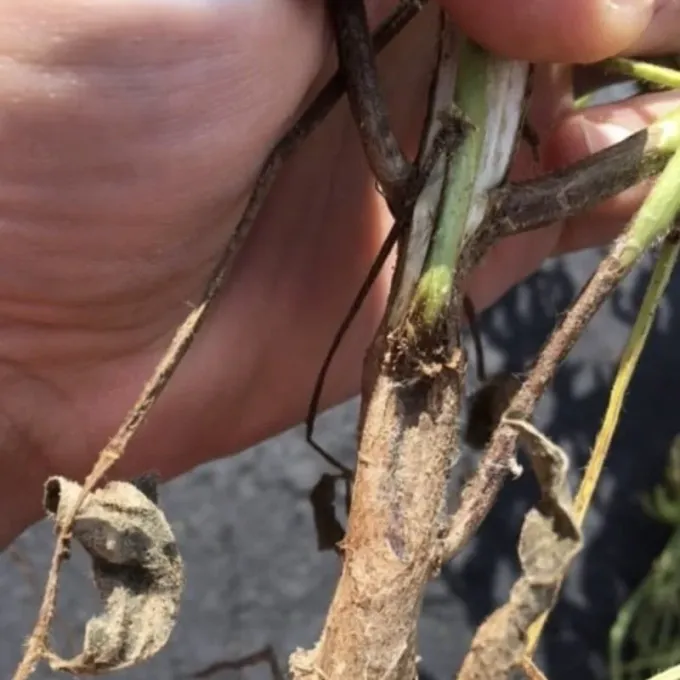
On canes, the lesions often become depressed, forming cankers that can eventually girdle the stem, causing the portion above the lesion to wither and die.
Small black fruiting bodies known as pycnidia develop within the dead tissue, serving as the source of secondary inoculum throughout the growing season.
Severe infection leads to widespread yellowing of the foliage, followed by premature leaf drop, which leaves the plant significantly weakened and vulnerable.
Pathogen
The causative agent of brown spot of roses is the fungus Cryptosporella umbrina (syn. Diaporthe umbrina). This pathogen specifically targets roses, invading stems, leaves, and buds.
The fungus is an ascomycete that thrives by colonizing the plant tissues, eventually leading to localized necrosis and tissue death as the fungal hyphae spread.
It survives through the winter period within the bark of infected canes and on fallen debris, remaining dormant until favorable conditions arrive.
Dissemination primarily occurs via rain splashes or water runoff, carrying spores to new, healthy parts of the plant or neighboring rose bushes.
The pathogen can also be mechanically transmitted through garden tools, especially during pruning sessions, if sanitization protocols are not followed.
Conditions for development
High relative humidity and frequent rainfall are the most critical factors driving the development and spread of Cryptosporella umbrina in gardens.
Poor air circulation within the rose garden, caused by overcrowding or dense planting, traps moisture on the plant surfaces and promotes fungal growth.
Plants weakened by poor soil quality, improper fertilization, or stress from previous insect attacks show higher susceptibility to this specific fungal infection.
Inconsistent temperatures and the presence of wounds from insects or physical damage provide easy entry points for the pathogen into the rose vascular system.
Lack of proper sanitation, such as failing to remove infected material from the garden floor, ensures the fungus remains present for the next season.
Why it matters
The disease causes significant aesthetic damage, ruining the visual appeal of rose bushes and affecting their health and vitality during peak growth months.
When stem lesions girdle the canes, the plant cannot effectively transport water and nutrients, leading to the rapid dieback of branches and potential stunted growth.
Constant defoliation caused by the fungus reduces the plant's ability to photosynthesize, which prevents the rose from storing enough energy for winter survival.
If left unmanaged, the infection can spread across the entire collection, leading to extensive loss of floral buds and a drastic decline in the number of blooms.
The long-term impact includes an increased susceptibility to other opportunistic diseases, ultimately shortening the lifespan of the affected rose plants.
Protection
Strict sanitation is the foundation of control: immediately prune out any diseased wood, ensuring cuts are made into healthy tissue and destroying debris.
Applying copper-based fungicides as a preventative measure in early spring is highly recommended to kill overwintering fungal spores before new growth appears.
During the growing season, systemic fungicides can be used if symptoms appear, following a rotational strategy to avoid the development of resistance.
- Maintain proper spacing between roses to ensure adequate airflow.
- Water at the base of the plant, avoiding wetting the foliage.
- Sanitize pruning shears with alcohol between every cut to prevent cross-contamination.
- Promote overall plant health with balanced fertilizers.
A thorough cleanup of all fallen leaves at the end of the season is essential, as this significantly reduces the inoculum potential for the following year.
Pathogens and affected parts
Affects crops · 1
Discussion
No discussions yet — be the first.