
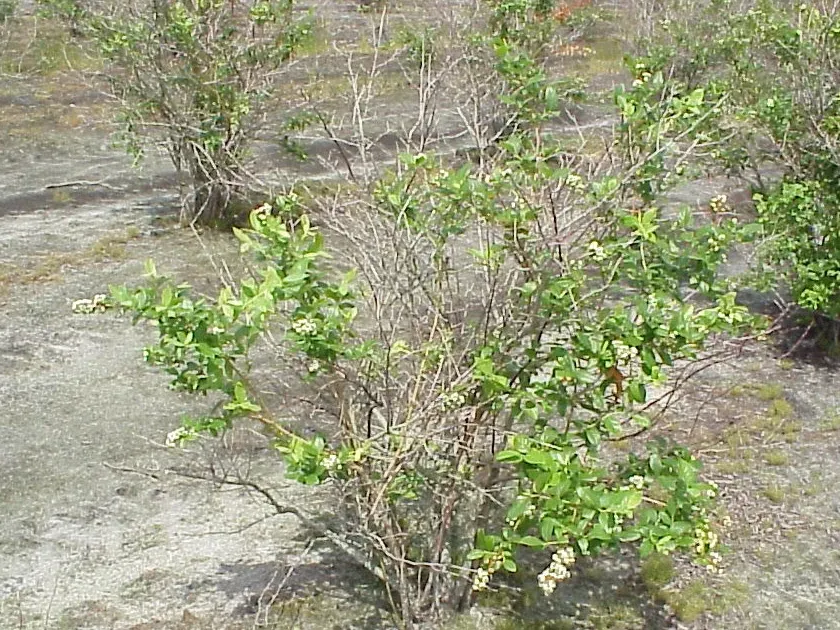
Description
Symptoms
The primary symptom of the disease is the appearance of small red spots on young shoots, which gradually darken and increase in size over time.
As the disease progresses, these spots transform into deep necrotic cankers accompanied by bark cracking. The stem tissue at the site of infection becomes coarse and cork-like.
Leaves on infected shoots eventually yellow, wilt, and drop prematurely. In severe cases, the entire branch or the complete aerial part of the plant may die.
A characteristic symptom is the deformation of shoots and their drying out above the site of the canker. Upon close inspection, clusters of black fungal fruiting bodies can be observed on the bark.
The intensity of symptom expression depends directly on the cranberry cultivar and the age of the plantation, with susceptible varieties showing yield loss as early as the first year.
Pathogen
The causal agent of this disease is the fungus Botryosphaeria corticis, which belongs to the class Ascomycetes. This phytopathogen primarily affects highbush cranberry plantations, causing necrotic lesions on the stems.
The fungus's life cycle includes the formation of fruiting bodies, known as pseudothecia, which develop within the bark of infected plants. These structures release spores that initiate primary infections in healthy bushes.
The pathogen can persist in plant debris and affected stems for a long period. The fungus overwinters in the inner layers of the bark, which protects it from exposure to extremely low temperatures.
Infection is spread via wind, rain splashes, and the use of infected propagation material. A lack of phytosanitary oversight during the establishment of new fields facilitates the rapid spread of the disease.
Biologically active spores show high virulence during the growing season under conditions of high humidity and optimal temperatures, which are common in berry fields.
Conditions for development
High humidity in the air and soil is the most favorable condition for infection development. Waterlogging in cranberry bogs creates an ideal environment for spore germination.
The temperature range from +15°C to +25°C is the most active period for mycelial spread. During this time, massive spore release from fruiting bodies typically occurs.
Mechanical injuries to stems, caused by field maintenance or insect activity, serve as entry points for the fungal infection to invade plant tissues.
Inadequate irrigation management that leads to constant wetting of foliage and stems significantly increases the risk of a stem blight outbreak.
Dense plantings with poor air circulation contribute to moisture retention and pathogen buildup, which are critical factors for disease progression.
Why it matters
The main threat of the disease is a significant reduction in plantation productivity. Infected bushes produce small, low-quality berries, decreasing the commercial value of the harvest.
Stem blight weakens the plant's overall immune system, making it more susceptible to secondary rot diseases and environmental stress.
Widespread infection leads to economic losses, as rehabilitating a severely damaged plantation requires substantial financial investment and time.
The disease negatively affects the cold hardiness of cranberries, causing plants to die back during winter, even in moderate frost conditions.
Without proper control, the pathogen can completely destroy commercially valuable cranberry cultivars within a few growing seasons.
Protection
The foundation of disease control is the use of certified, disease-free planting material sourced from reputable nurseries.
It is essential to conduct regular sanitary pruning of infected shoots, followed by their mandatory removal from the field and destruction by burning.
Maintaining optimal planting density and ensuring proper drainage systems help minimize the humidity levels necessary for fungal survival.
The application of copper-based fungicides and other authorized chemical agents during high-risk periods helps suppress spore distribution and infection.
- Disinfecting pruning tools between different plant rows.
- Balanced fertilization to strengthen the natural immunity of the cranberry plants.
- Consistent field monitoring throughout the growing season to detect early symptoms.
Pathogens and affected parts
Affects crops · 1
Discussion
No discussions yet — be the first.