
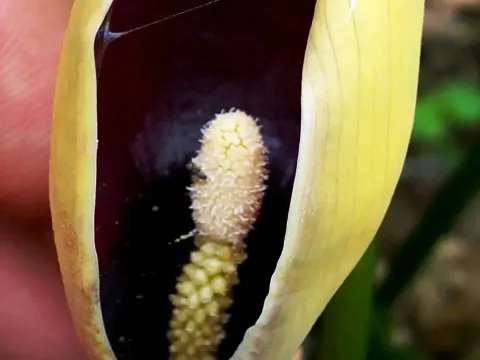
Steudnera
Steudnera
Steudnera is a genus of perennial herbaceous plants belonging to the Araceae family. These plants are native to the tropical forests of Southeast Asia, ranging from India to China.
What the section contains
Steudnera
Botanically, Steudnera is characterized by tuberous rhizomes that produce large, ornamental, peltate leaves. These plants thrive in the humid, shaded environments typical of tropical forest floors.
Successful cultivation requires high ambient humidity and consistently warm temperatures. They do not tolerate cold drafts or temperatures below 15 degrees Celsius, which can cause the plant to enter dormancy or rot.
The potting medium must be porous and well-draining, consisting of organic matter like peat moss combined with perlite or orchid bark. A balanced soil structure prevents the tuber from suffocating in stagnant water.
In terms of usage, Steudnera is exclusively an ornamental crop. It is highly sought after by collectors of Aroids for its distinct leaf morphology, which adds a structural element to shaded interior spaces and tropical conservatories.
The primary threats to Steudnera health are soil-borne pathogens, particularly Pythium and Phytophthora, which cause rapid tuber decay in waterlogged conditions.
Spider mites are the most common pest, especially in indoor environments where the air is frequently too dry, leading to yellowing and stunted growth.
Mealybugs can also infest the plant, hiding in the junctions between the leaf petiole and the main stem, often going unnoticed until the infestation is severe.
Fungal leaf spot diseases are prevalent when air circulation is poor, necessitating regular monitoring of the foliage for abnormal lesions or discoloration.
To maintain plant health, it is essential to employ a strict sanitation routine, including periodic leaf cleaning and the use of preventative systemic treatments if conditions are conducive to pest outbreaks.