
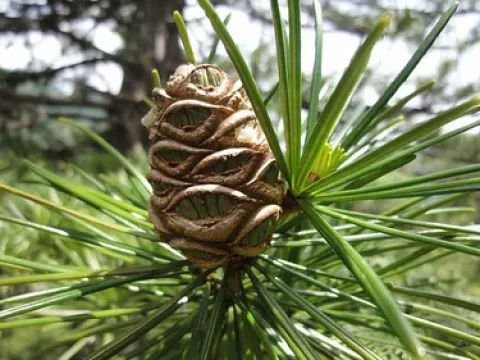
Sciadopitys
Sciadopitys
Sciadopitys verticillata, known commonly as the Japanese umbrella pine, is a unique conifer that constitutes the sole species within the Sciadopityaceae family. This relic species is native to Japan, where it is highly valued for its elegant, symmetrical growth habit.
What the section contains
Sciadopitys
The plant thrives in locations that are sheltered from harsh, drying winds and excessive direct sunlight. While it can tolerate full sun in cooler regions, it generally performs best in partial shade, especially during the intense heat of midday.
Soil requirements are strict: the tree demands acidic, humus-rich, and well-draining soil. It is highly intolerant of alkaline conditions, which can lead to severe chlorosis and stunted development; therefore, organic mulch is recommended to maintain soil acidity.
Moisture management is critical for the success of Sciadopitys. It prefers high atmospheric humidity and consistent soil moisture throughout the growing season, requiring supplemental watering during periods of drought to prevent the needles from browning.
Botanically, the tree is fascinating because the structures that appear to be needles are actually cladodes (flattened, leaf-like shoots) arranged in whorls. This distinctive feature gives the foliage an umbrella-like appearance, creating a stunning visual texture.
The most common pest impacting Sciadopitys is the spider mite, which flourishes in dry, hot weather conditions. Infestations typically appear as fine webbing and yellowing of the needles, which can be managed with periodic misting and acaricides.
Scale insects can also pose a problem by attaching themselves to the shoots and drawing sap. Manual removal or the application of horticultural oils during the dormant season can help manage these pests effectively.
Root rot, specifically caused by Phytophthora, is a significant threat associated with poorly drained, waterlogged soils. Ensuring excellent drainage at the time of planting is the most effective preventative measure against this pathogen.
Fungal needle cast diseases can occur if the canopy remains damp for extended periods without adequate air circulation. Keeping the environment around the tree well-ventilated is essential for preventing these fungal outbreaks.
General tree health is maintained by applying a balanced fertilizer designed for acid-loving conifers and ensuring regular monitoring for any signs of stress, such as discoloration or premature needle drop, during the growing season.