
Schrankia
Schrankia
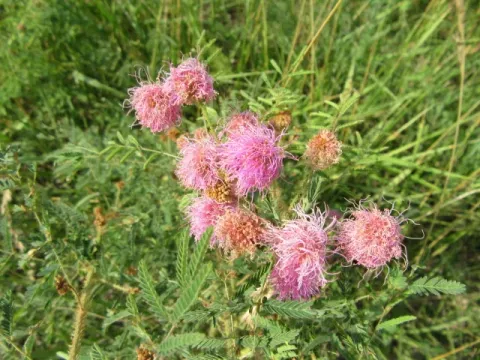
Schrankia is a genus of flowering plants belonging to the Fabaceae family, commonly referred to as sensitive briar. The plants are recognized for their unique thigmonastic movements, where the leaves fold inward upon physical stimulation, an evolutionary mechanism for protection.
What the section contains
Schrankia
Native to the Americas, Schrankia species are widely distributed across diverse ecosystems, ranging from open prairies to woodland edges. Their ability to thrive in poor soils has made them a subject of interest for soil conservation and land restoration projects.
Cultivation of Schrankia requires well-drained soil with a slightly acidic to neutral pH level. While they are resilient, they do not tolerate waterlogged conditions, which can lead to rapid root degradation. Adequate sun exposure is essential for the plant to achieve vigorous growth.
Regarding climate, the plant is primarily suited for warmer temperate and tropical regions. In cooler zones, it acts as an annual or requires significant mulch protection during the winter months, as it is highly susceptible to frost damage.
Agricultural use of Schrankia is primarily focused on nitrogen fixation, which enriches soil quality for subsequent crops. Its ability to grow in challenging environments makes it a potential candidate for sustainable agroforestry practices and botanical studies on plant responsiveness.
The main threats to Schrankia include root rot pathogens, specifically in areas with poor drainage and high humidity. Implementing proper soil preparation and spacing is critical for maintaining crop health and preventing the spread of fungal diseases.
Insect pests such as aphids and leafhoppers are the most common threats to the foliage. Integrated pest management strategies, including the use of neem oil or biological controls, are recommended to protect the plants without relying heavily on synthetic chemicals.