
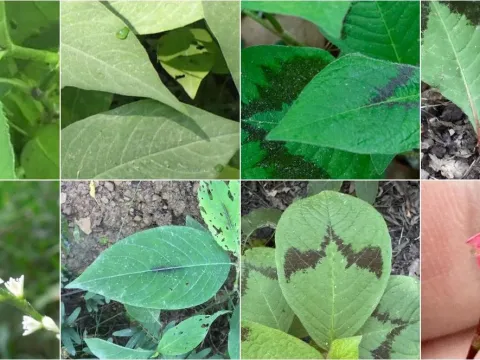
Japanese jumpseed
Polygonum filiforme
Japanese jumpseed, scientifically known as Polygonum filiforme or Persicaria filiformis, is a robust perennial belonging to the Polygonaceae family. It is highly valued in horticulture for its elegant foliage, often marked with striking patterns, and its delicate, arching spikes of small flowers.
What the section contains
Japanese jumpseed
Propagation is typically performed through seeds or root division. When sowing seeds, it is recommended to start indoors in late winter to ensure strong seedlings before the spring frost risk passes. Seeds benefit from a cold stratification period to improve germination rates significantly.
Division of mature clumps is the most reliable method for vegetative reproduction. This process is best performed in early spring or autumn. Carefully digging up the rootstock and separating it into smaller sections allows for rapid establishment of new plants in different garden zones.
When transplanting into the garden, space the plants about 45 to 60 centimeters apart. This spacing ensures adequate airflow, which is crucial for preventing fungal issues, and provides enough room for the plant to spread naturally during the growing season without overcrowding.
Preparation of the planting site should involve mixing compost or well-rotted manure into the soil. This improves the nutrient profile and helps maintain the soil structure required for the vigorous growth of the rhizomes, which are the main organ for the plant's spread.
This species thrives in moist, fertile, and well-drained soils rich in organic matter. It performs exceptionally well in woodland settings or shaded borders where the humidity is higher and the soil does not experience extreme fluctuations in moisture content.
Light requirements are flexible, ranging from partial to full shade. While it can tolerate dappled sunlight, intense direct exposure should be avoided to prevent leaf scorch, especially in regions with hot, dry summers where the plant's water needs are significantly higher.
Moisture management is a key aspect of Japanese jumpseed cultivation. The soil should be kept consistently damp throughout the growing season. Applying a layer of mulch, such as wood chips or leaf mold, helps to retain soil moisture and stabilize root temperatures.
In terms of temperature, the plant is relatively hardy and adapted to temperate climates. During the winter, the dormant rootstock typically survives well, provided the soil is not waterlogged, which could lead to root decay under freezing conditions.
Regular fertilization is beneficial but should be applied moderately. A balanced liquid fertilizer during the early spring growth spurt encourages healthy foliage development, while avoiding excessive nitrogen later in the season helps the plant harden off for winter dormancy.
The primary pests affecting Japanese jumpseed are slugs and snails, which can cause significant damage to tender foliage during wet spring weather. Implementing physical barriers like copper tape or crushed eggshells around the base can effectively deter these pests.
Fungal diseases, such as powdery mildew, may occur if the plant is grown in conditions with poor air circulation. Ensuring the plants are not spaced too closely and maintaining clear surroundings helps reduce humidity around the foliage and minimizes infection risks.
Aphids can occasionally cluster on the new growth, especially during warm spells. While these insects rarely threaten the life of the plant, they can weaken the shoots; washing them off with a strong stream of water is often sufficient to control the infestation.
Leaf spot diseases are occasionally reported in extremely humid conditions. Prompt removal and destruction of affected leaves is the best management strategy to prevent the spread of fungal spores to healthy parts of the plant or neighboring specimens.
Overall, Japanese jumpseed is a low-maintenance plant once established. Consistent garden hygiene, including the removal of debris and spent foliage at the end of the season, significantly reduces the overwintering sites for potential pests and diseases.