
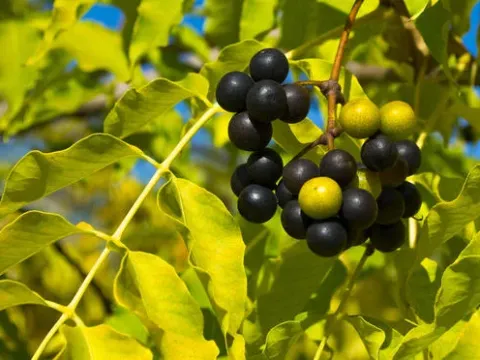
Japanese cork tree
Phellodendron japonicum
The Japanese cork tree (Phellodendron japonicum) is a deciduous tree belonging to the Rutaceae family. It is native to the forests of Japan and parts of East Asia, prized for both its medicinal bark and its ornamental appearance.
What the section contains
Japanese cork tree
For optimal growth, this species requires deep, fertile, and well-drained soils. It performs best in neutral to slightly acidic loamy conditions and does not tolerate waterlogging, which can lead to rapid root decline.
This tree is moderately light-demanding. While saplings can tolerate partial shade, full exposure to sunlight is recommended as the tree matures to ensure a healthy crown density and consistent annual growth.
Regarding climate, the tree prefers temperate regions with adequate moisture. Although it is relatively hardy, it benefits from protection against cold, drying winds, which can damage the tender buds in early spring.
Agronomic practices include mulching to retain moisture and periodic fertilization during the active growing season. Regular pruning is not strictly necessary but helps in shaping the tree for specific landscape or industrial purposes.
Phellodendron japonicum is generally robust due to the high content of alkaloids in its tissues, which naturally repel many common pathogens. This trait makes it a relatively low-maintenance species for managed forests.
Root rot remains the most significant threat if planting sites are chosen poorly. Drainage is essential, and soil compaction should be strictly avoided to allow oxygen to reach the root zone effectively.
Pests such as aphids or leaf miners may appear under stress conditions. Integrated pest management (IPM) strategies, including encouraging natural predators like ladybugs, are typically sufficient to control these minor infestations.
Mechanical damage to the bark must be addressed immediately with pruning wound sealants to prevent fungal entry. Ensuring a protective fence during the young development stage prevents damage from local wildlife.
In cases of severe infestation or environmental stress, a targeted application of environmentally safe fungicides or systemic insecticides may be employed to maintain the health of the woody stock.
The economic value of the Japanese cork tree is primarily derived from its medicinal bark, which is carefully harvested for its pharmaceutical properties. It contains compounds that have historically been used for their anti-inflammatory and antiseptic effects.
Timber production is another key use. The wood is highly valued in the furniture industry for its distinctive texture, durability, and natural resistance to decay, often utilized in high-end cabinetry.
Seed harvesting is conducted in late autumn once the dark berries are fully ripe. Proper stratification is necessary to break dormancy before seeds are sown in nursery beds for propagation.
The bark harvest is a delicate process performed on mature trees to ensure regeneration. Sustainable practices are critical to preserve the tree's health and maintain a long-term supply of the botanical resource.
- Extraction of essential oils from fruits.
- Manufacturing of medicinal supplements.
- Sustainable forest wood harvest.