
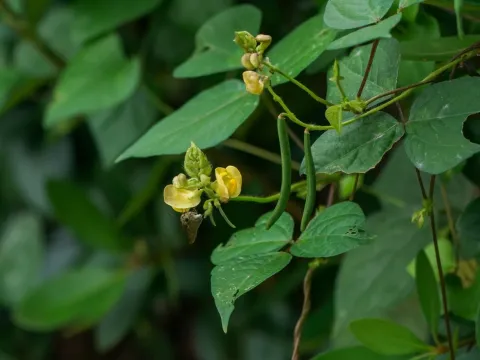
Japanese bean
Phaseolus nipponensis
The Japanese bean is an interesting legume species that requires specific timing for planting. Sowing should commence once the soil temperature consistently reaches at least 12–15 degrees Celsius in the spring.
What the section contains
Japanese bean
Row planting is the recommended method to ensure adequate air circulation between individual plants. Proper spacing helps minimize the risk of competition for nutrients and light among the growing seedlings.
The depth of sowing should be managed between 3 and 5 centimeters, depending on the soil texture. Lighter soils allow for slightly deeper planting, whereas heavier soils require a shallower approach to facilitate emergence.
Seed treatment with biological inoculants can significantly improve nitrogen fixation efficiency. This practice is essential for establishing a robust root system during the early stages of plant development.
Implementing a proper crop rotation system is vital for disease control. Sowing Japanese beans after cereals or root crops helps prevent the buildup of soil-borne pathogens in the field.
This crop thrives in well-drained, fertile soil with a neutral or slightly acidic pH level. Good aeration is a prerequisite for the healthy development of root nodules which are crucial for nitrogen fixation.
Japanese beans prefer open, sunny locations with protection against strong, desiccating winds. Consistent exposure to sunlight is necessary to support high photosynthetic activity during the flowering phase.
Moderate moisture is required throughout the growing season, particularly during the critical pod-filling stage. Excessive water retention in the soil must be avoided to prevent root rot and other fungal diseases.
The ideal temperature range for growth is between 18 and 25 degrees Celsius. Extreme temperatures outside this range may lead to flower drop and reduced overall productivity of the crop.
Fertilization management should focus on phosphorus and potassium to strengthen the plant's resistance to environmental stress. Excessive nitrogen usage is discouraged as it often leads to disproportionate vegetative growth.
The primary threats include fungal pathogens such as anthracnose and powdery mildew, which thrive in humid environments. Regular field scouting is necessary to identify early symptoms and initiate management.
Common insect pests include aphids and bean weevils, which can cause severe damage to the foliage and stored seeds, respectively. Integrated pest management (IPM) practices are highly recommended.
Root rots are often associated with poor drainage and excessive moisture levels. Improving soil structure and avoiding monoculture practices are effective ways to mitigate these underground threats.
Viral infections can deform leaves and weaken the overall plant vitality. Controlling insect vectors, particularly aphids, is essential to limit the spread of viral diseases throughout the field.
Sustainable pest control methods, including the use of resistant varieties and eco-friendly biological preparations, should be prioritized to ensure both yield quantity and environmental safety.
Harvesting should be timed when the pods are fully mature and beginning to dry naturally. This reduces moisture content to ideal levels for long-term storage and helps prevent seed spoilage.
Mechanical harvesting requires careful adjustment of combine settings to minimize mechanical damage to the seeds. The delicate nature of legume seeds makes this adjustment crucial for maintaining quality.
Post-harvest drying is essential to achieve a moisture content of around 12–14 percent. Proper ventilation and airflow in storage facilities are necessary to ensure the longevity of the harvested grain.
Cleaning and grading processes are performed to remove debris and sort seeds by size and quality. This standardized output is preferred for market distribution and future sowing requirements.
Long-term storage conditions should be kept cool and dry, with regular monitoring for signs of infestation or moisture accumulation. Maintaining high sanitary standards in warehouses prevents losses during storage.