
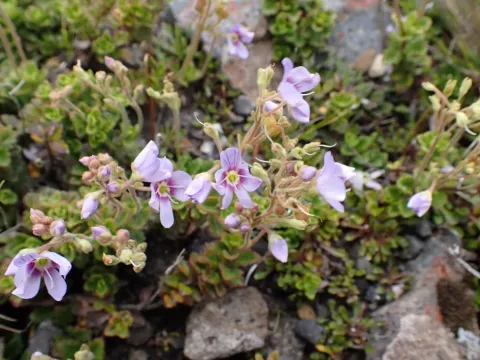
Parahebe
Parahebe
Parahebe is a genus of evergreen plants belonging to the Plantaginaceae family, prized in ornamental horticulture for their compact habit and profuse blooming. Originating primarily from the mountainous regions of New Zealand, these plants are adapted to temperate climates with consistent moisture.
What the section contains
Parahebe
Successful cultivation requires well-drained, fertile soils with a neutral to slightly acidic pH. The plant is highly sensitive to waterlogging at the roots, making a drainage layer of gravel or coarse sand essential when planting in heavy clay soils.
The culture prefers sunny or semi-shaded locations protected from cold, drying winds. In temperate regions, Parahebe exhibits moderate frost resistance, necessitating winter protection or container cultivation with the ability to move the plant indoors during harsh weather.
Agronomic practices include regular but moderate irrigation: the top layer of soil should dry out between waterings. During the active growing season, the plant responds well to complex mineral fertilizers with low nitrogen levels, which promotes better wood ripening of shoots before winter.
The primary horticultural use of Parahebe is in the ornamental sector. Due to their dense foliage and elegant racemes, they are utilized for rock gardens, stone garden landscapes, borders, and low hedges, as well as being excellent container plants for patios.
Major threats to the crop are related to improper irrigation and poor root aeration, which provoke the development of root rots. Inadequate drainage is the leading cause of plant loss in garden environments.
In high humidity conditions, Parahebe can be susceptible to powdery mildew. Disease management involves preventive fungicide treatments and ensuring optimal air circulation around the shrub to reduce moisture stagnation.
Among pests, aphids and spider mites pose the greatest risk, particularly when grown under cover or in glasshouses. Regular inspection of the undersides of leaves allows for the early detection of insect colonies.
When pest infestations occur, systemic insecticides or acaricides should be used according to the manufacturer's instructions. Preventive measures focus on maintaining overall plant vigor and timely sanitary pruning of damaged branches.
While no specific viral diseases cause mass destruction in Parahebe plantations, it remains important to maintain tool hygiene during pruning to prevent the transmission of potential pathogens between healthy plants.