
Panicle plum
Prunus paniculata
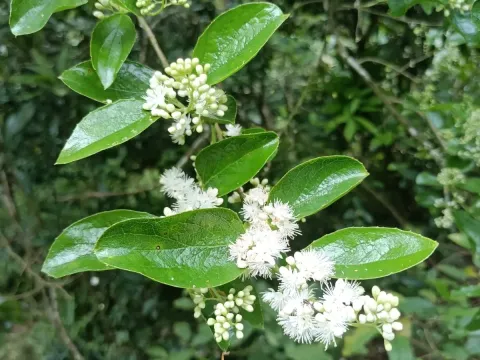
The panicle plum (Prunus paniculata), a member of the Rosaceae family, is an ornamental and fruit-bearing tree known for its unique flowering structure. It is valued for its distinct floral panicles which distinguish it from other members of the Prunus genus.
What the section contains
Panicle plum
The tree requires a location with full sun exposure to thrive and produce high-quality fruits. Soil requirements focus on fertility and drainage; it grows best in well-drained loamy soils with a neutral pH, as it is sensitive to waterlogged conditions that can damage its root system.
In terms of climate, this species prefers temperate zones with moderate seasonal temperatures. It is somewhat susceptible to late spring frosts, which can kill developing buds, so planting in frost-protected areas is recommended for consistent yield and healthy growth.
Proper agronomic management involves regular annual pruning to maintain a balanced canopy structure. Irrigation should be managed carefully, ensuring consistent moisture during the fruit-set phase, but reducing water supply as the season approaches harvest to prevent skin splitting.
Economically, the species is utilized both for its fruit, which is suitable for various culinary processing methods, and as an aesthetic addition to landscape design. Its visual appeal during the flowering stage makes it a popular choice for urban parks and home gardens.
Common pathological threats include fungal diseases such as brown rot and leaf spot. These pathogens often thrive in high humidity and can significantly impact the plant's vitality. Preventive measures include ensuring good air circulation through pruning and timely application of fungicides.
Insect pests, including plum curculio and aphids, present a challenge to orchard managers. These pests can damage flowers and fruit, reducing overall yield. Integrated Pest Management (IPM) strategies, including pheromone traps and horticultural oils, are effective for maintaining plant health.