
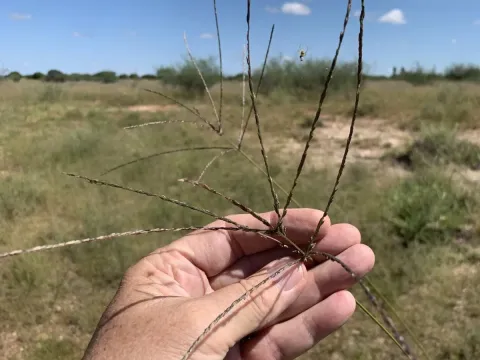
Pangola grass
Digitaria decumbens
Pangola grass, botanically known as Digitaria decumbens, is a widely used perennial grass in the Poaceae family, primarily propagated through vegetative means.
What the section contains
Pangola grass
Establishment is usually achieved by planting stolons or stem cuttings, as commercial varieties often produce sterile or low-viability seeds, making vegetative planting more reliable.
The planting process involves spreading cuttings over a prepared seedbed and pressing them into the moist soil, which ensures rapid rooting from the plant nodes.
Timing is critical, with the best results obtained at the onset of the rainy season or when soil temperatures consistently stay above 20°C for optimal root development.
Proper field preparation, including light cultivation and moisture management, is essential to provide the cuttings with the best chance to establish a dense sward quickly.
This species is highly adapted to tropical and subtropical climates and thrives in areas where long, warm growing seasons are present throughout the year.
It prefers fertile, well-drained soils, ranging from sandy loams to heavier clays, and displays a notable tolerance for varying soil acidity levels.
Pangola grass is sensitive to frost, which can kill the above-ground biomass, limiting its viable growing range to frost-free regions or protected microclimates.
Water availability is a major factor for productivity; while it possesses moderate drought tolerance, it requires consistent moisture to maintain rapid regrowth.
As an intensive forage crop, it responds exceptionally well to nitrogen fertilization, which is necessary to sustain high protein content and leafy biomass production.
Pangola grass is highly valued for its exceptional biomass yield and high palatability, making it one of the most popular pasture grasses in many subtropical regions.
Under optimal management, which includes regular fertilization and irrigation, it can yield significant amounts of high-quality dry matter for hay or silage production.
The grass is known for its excellent recovery rate after grazing or harvesting, allowing for multiple rotations throughout the growing season.
Livestock performance on Pangola grass pastures is generally superior due to the grass's high digestibility and balanced nutrient composition.
Harvesting at the early heading stage is recommended to maximize both the quantity of the forage and the nutritional quality provided to the animals.
The most significant pathological threat to this crop is the Pangola stunt virus, which can cause severe reductions in growth and eventually destroy entire swards.
Insect pests, particularly leafhoppers and aphids, act as vectors for viruses and cause direct physical damage to the plants, requiring vigilant monitoring.
Root rot pathogens may become problematic in areas with poor drainage or during prolonged periods of waterlogging, which can suffocate the root system.
Weed competition during the initial establishment phase can significantly delay the development of the pasture, necessitating the use of herbicides or mechanical control.
Integrated pest management strategies, including the use of virus-resistant varieties and maintaining healthy soil conditions, are vital for long-term productivity.
Harvesting management involves a balance between allowing sufficient regrowth and preventing the grass from becoming overly stemmy and fibrous.
When used for hay, mechanical mowing and conditioning are standard practices to ensure quick drying and the preservation of essential nutrients within the foliage.
Grazing systems should ideally involve rotational patterns to prevent overgrazing and soil compaction, ensuring that the grass retains the vigor required for rapid recovery.
Regular maintenance, such as occasional harrowing or top-dressing, helps to revitalize the sward and maintain high production levels over several years.
Farmers should prioritize harvesting or grazing before the plants reach maturity to prevent a decline in digestibility, which occurs as the carbon-to-nitrogen ratio increases.