
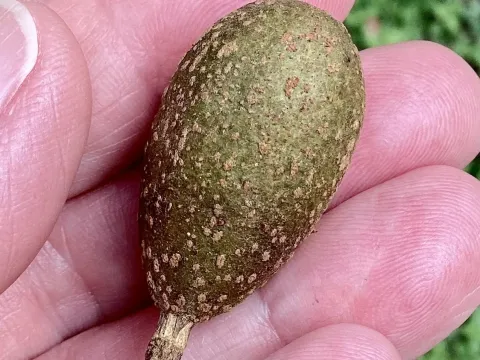
Mexican cedar
Cedrela mexicana
Cedrela mexicana, widely known as Spanish cedar, is primarily propagated through seeds. It is essential to sow the seeds immediately after harvesting, as they possess short-term viability and lose their germination potential very rapidly if stored incorrectly.
What the section contains
Mexican cedar
In nursery conditions, seeds are sown in well-draining substrates while maintaining high humidity levels and soil temperatures around 25 degrees Celsius. The ideal time for transplanting seedlings into the field coincides with the onset of the rainy season, ensuring the young trees have sufficient moisture for establishing their root systems.
Prior to planting, fields must be cleared of weeds to minimize competition for nutrients and sunlight. Planting density varies depending on forestry objectives, but a standard spacing of 3 to 5 meters between trees is generally recommended to encourage healthy growth.
The use of containerized seedlings with established root systems significantly improves survival rates during the first few months after field transplanting. Rigorous inspections for pathogens and pests are crucial before moving the planting material to its permanent location.
Large-scale commercial operations often utilize both pure plantations and agroforestry systems mixed with other fast-growing species. This practice helps create a favorable microclimate, protecting young trees from excessive exposure and promoting better vertical stem development.
As a member of the Meliaceae family, this species is a representative of the tropical and subtropical forests of the Americas. It is a light-demanding tree that requires open areas with access to direct sunlight to ensure straight trunk growth and overall health.
The culture thrives in deep, well-draining soils rich in organic matter. Cedrela mexicana is highly sensitive to waterlogging, making sites with heavy clay or poor drainage unsuitable for its development, as these conditions inhibit root respiration.
Optimal climatic conditions include an average annual temperature range of 20 to 30 degrees Celsius and a distinct rainy season. The tree struggles to survive prolonged droughts, especially in its juvenile phase when the root system has not yet penetrated deep into the subsoil.
Proper soil pH management is an essential agronomic requirement, with a target range near neutral. In acidic environments, the tree shows stunted growth, necessitating the use of agricultural lime or other amendments to adjust the soil chemistry before and during plantation establishment.
In its native habitat, the species often grows in river valleys and mountain slopes, highlighting the importance of soil aeration. In managed plantations, regular pruning is required to prevent excessive branching and ensure the production of high-quality, straight timber.
The primary economic value of Cedrela mexicana lies in its premium timber, which is highly prized for its resistance to decay and insects. The annual biomass accumulation is strongly dependent on the quality of forest management practices and the underlying soil fertility.
The full harvest cycle typically ranges from 25 to 40 years, depending on the target timber size and environmental conditions. During this period, the tree grows to considerable heights, providing high-value wood for various industrial applications.
The timber is widely used in luxury furniture manufacturing, decorative finishes, and musical instruments. It is particularly famous for its use in cigar boxes, owing to its distinct aroma and excellent moisture-regulating properties, which protect the quality of stored goods.
The economic viability of plantations is heavily linked to silvicultural activities such as thinning, which optimizes resource distribution among the most promising trees. Implementing correct agronomic techniques can shorten the production cycle while maintaining superior wood quality.
Beyond timber production, Cedrela can serve as an integral part of agroforestry projects. Its leaf litter contributes to soil nutrient cycling, and its presence can create a more balanced ecosystem, offering long-term investment benefits in tropical regions.
The most significant threat to the cultivation of Cedrela mexicana is the shoot borer moth, Hypsipyla grandella. The larvae of this pest tunnel into the terminal buds and stems, causing deformation and branchiness that render the wood useless for high-quality industrial purposes.
Effective management requires integrated pest control programs, including routine monitoring and the targeted use of systemic insecticides during the moth's peak flight periods. Biological control methods, such as utilizing natural predators, are currently under research for better results.
Root rot diseases, often triggered by poor drainage or soil compaction, present another risk to the plantation's success. Preventive measures include strict control of groundwater levels and careful handling to avoid damaging the roots during field maintenance operations.
Fungal leaf infections are less common but can occur in high-humidity conditions with poor air circulation, potentially leading to premature defoliation. This weakens the tree's overall vigor and makes it more susceptible to secondary environmental stresses.
Pest protection demands a holistic approach that combines chemical applications for young plants with habitat management to reduce pest pressure. The development and use of genetically resistant clones remain the most promising frontier in the long-term protection of this valuable culture.