
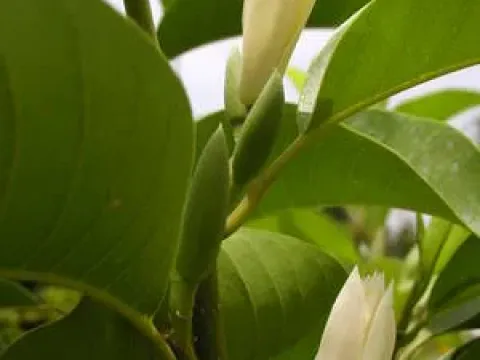
Michelia
Michelia
Michelia is a genus of evergreen trees and shrubs belonging to the Magnoliaceae family. Known for their highly fragrant flowers and glossy foliage, these plants are popular in botanical gardens and ornamental landscaping in tropical and subtropical regions worldwide.
What the section contains
Michelia
The genus originates from the moist forests of Southeast Asia, including parts of China and India. These plants are naturally adapted to high humidity, moderate temperatures, and filtered light conditions often found under the forest canopy or in warm, sheltered valley environments.
Agronomically, Michelia requires a warm climate, as most species are not frost-hardy. When cultivated in cooler regions, they are typically maintained as container plants in greenhouses or indoor environments to prevent tissue damage from cold temperatures and freezing.
Soil requirements focus on well-draining, nutrient-rich, acidic to neutral substrates. The plants thrive when the root system remains moist but not waterlogged. Mulching is highly recommended to maintain soil moisture consistency and improve the overall nutrient status of the rhizosphere.
Management practices include regular pruning to maintain desired shape and promote bushy growth. Fertilizer applications should focus on balanced NPK formulations during the primary growth season, paired with consistent watering schedules to avoid environmental stress.
Typical pests affecting Michelia include scale insects, spider mites, and mealybugs, especially in indoor or greenhouse environments. Integrated pest management, including biological controls or targeted application of insecticidal soaps, is essential for maintaining plant health.
Common diseases involve fungal infections such as root rot, often caused by overwatering, and leaf spot diseases. Ensuring adequate air circulation, using sterilized growing media, and avoiding overhead watering can significantly reduce the incidence of these plant pathogens.