
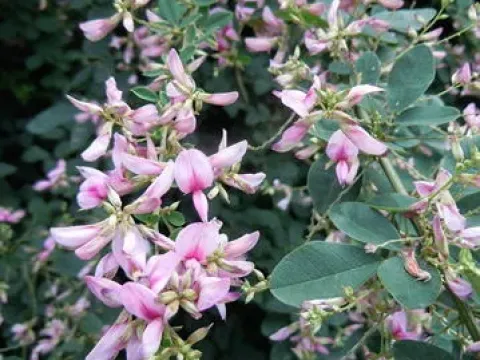
Lespedeza nipponica
Lespedeza nipponica
The seeds of Lespedeza nipponica possess a hard seed coat, making scarification a mandatory step before sowing. This process, which involves slightly damaging the coat, significantly improves germination rates.
What the section contains
Lespedeza nipponica
The ideal time for sowing is during the spring when the soil temperature at the planting depth reaches 10-12 degrees Celsius. Ensuring sufficient soil moisture in the first few weeks is essential for establishing a robust root system.
Seeds should be planted at a shallow depth of 1-2 centimeters. Deep planting can inhibit the emergence of delicate sprouts, leading to thin and uneven crop stands that struggle to compete with weeds.
Seeding rates are adjusted based on whether the primary goal is seed production or biomass. Row seeding is commonly practiced to provide each plant with sufficient space and resources to develop properly.
Lespedeza is frequently sown as part of a mixture with perennial grasses. This practice balances the nutritional value of the forage and ensures better land utilization throughout the growing season.
Lespedeza nipponica is a perennial herbaceous plant from the Fabaceae family. It is highly valued for its ability to thrive in various environments, including areas where soil fertility may be suboptimal.
The crop prefers well-lit areas with sandy or loamy soils. It demonstrates significant drought tolerance thanks to a well-developed taproot system that can reach moisture stored in deeper soil horizons.
The plant performs best under moderate climatic conditions and is known for its winter hardiness. It can adapt to a wide range of temperatures, making it a reliable choice for temperate climate agriculture.
Proper soil aeration is crucial for success. Lespedeza does not tolerate waterlogged soils or stagnant water, as these conditions inhibit nitrogen-fixing bacterial activity and can lead to plant mortality.
By forming symbiotic relationships with rhizobia bacteria, this species naturally improves soil nitrogen levels. It serves as an excellent biological tool for soil restoration and improving the overall fertility of degraded lands.
The primary use of Lespedeza nipponica is the production of high-protein hay and green fodder. The nutritional content remains relatively high even during the flowering stage, providing quality feed for livestock.
As a notable honey plant, it attracts numerous pollinators during its flowering period. This makes it a valuable asset for beekeepers seeking to produce high-quality honey in diverse agricultural landscapes.
In terms of phytoremediation and soil conservation, the plant is highly effective at stabilizing slopes. Its deep, fibrous root structure prevents erosion and keeps the topsoil layer intact during heavy rains.
Biomass yield depends heavily on cultural practices and local environmental conditions. With proper management, the crop can consistently produce high-quality forage over many consecutive years.
The crop's versatility allows for use as an emergency forage during periods of drought when other, more sensitive species might fail. It remains a reliable staple for sustainable agricultural systems.
Weevils are among the primary pests affecting the crop, as they can cause significant damage to young seedlings and leaves. Regular monitoring is necessary to prevent infestations from impacting total yield.
Disease outbreaks, such as leaf spot, are typically associated with poor air circulation or excessive soil moisture. Maintaining correct plant density helps in naturally suppressing these fungal threats.
Abiotic stresses, including unexpected spring frosts, can damage early growth. Furthermore, weed management is vital during the initial establishment phase to prevent competition for light and nutrients.
During the harvest period, excessive rain can lead to mold development in cut hay. Implementing proper drying techniques is essential to prevent degradation of the nutritional value of the harvested biomass.
Implementing crop rotation cycles and maintaining proper distance between fields help break the life cycles of specific pests, reducing the overall reliance on chemical pesticides for control.
Harvesting for green fodder or hay is most efficient during the early mass-flowering phase. At this time, the plant offers the optimal balance between high biomass volume and total protein content.
When producing hay, careful drying is required to prevent leaf shattering, as leaves contain the highest concentration of nutrients. Turning the forage in windrows helps achieve a uniform drying process.
Seed harvesting should be timed carefully as the pods reach maturity to avoid excessive shedding. Direct combining or two-stage harvesting is utilized depending on the field conditions and seed ripeness.
After harvest, seeds must be cleaned and stored in dry, well-ventilated areas. Maintaining moisture content below 14 percent is crucial to ensure long-term viability and prevent rot during storage.
Incorporating post-harvest residues back into the soil adds organic matter and contributes residual nitrogen. This practice assists in preparing the soil for subsequent crops in the agricultural cycle.