
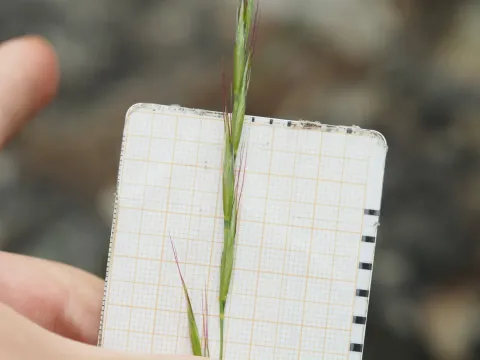
Helictochloa
Helictochloa
The establishment of Helictochloa stands is best achieved through careful seedbed preparation, ensuring optimal soil moisture levels during the planting season.
What the section contains
Helictochloa
Early spring planting is typically recommended to allow the perennial root system to establish itself before the onset of summer heat and potential moisture stress.
The seeding rate must be precisely calibrated based on the purity and germination potential of the seeds to ensure uniform field emergence.
Proper soil compaction following the sowing process is essential for capillary water movement, which drastically improves the success rate of seedling emergence.
It is advised to monitor weather patterns closely when planning the sowing phase to avoid planting during periods of excessive cold or unpredictable heavy rainfall.
Helictochloa is a genus of perennial plants belonging to the Poaceae family, known for its adaptability across diverse Eurasian habitats.
The plant thrives in well-drained soils, showing a preference for sites that receive adequate sunlight to support robust metabolic processes.
It displays remarkable drought tolerance, a trait that makes it an excellent candidate for regions experiencing fluctuating seasonal precipitation.
Soil pH levels should generally fall within the neutral range, as extreme acidity or alkalinity can limit nutrient availability and general plant health.
While the species is hardy, protecting stands from waterlogging during the dormant season is vital for preventing root crown rot and ensuring longevity.
The primary agricultural utility of Helictochloa is as a reliable forage source, providing high-quality biomass suitable for livestock grazing systems.
Strategic management of grazing pressure and harvest intervals allows for multiple cuts per season without depleting the carbohydrate reserves of the roots.
Nutritional quality, particularly protein content, is highest during the early vegetative stages, making timely harvest essential for maximum feed value.
Fertilization regimes, especially nitrogen management, can significantly enhance overall biomass production in managed grasslands or hay fields.
The species also contributes to soil stabilization, with its dense root network helping to prevent erosion in sensitive ecological areas.
Fungal pathogens represent the most significant threat to Helictochloa health, particularly rusts that target leaf tissue and reduce photosynthetic efficiency.
Pest pressure from aphids and specific grass-feeding larvae can impede development, especially when the crop is already under environmental stress.
Implementing an integrated pest management strategy, including crop rotation and monitoring, is crucial for maintaining the viability of the stand.
Proper field hygiene, such as clearing debris and managing edge vegetation, can help reduce the overwintering populations of potential crop pests.
Vigilance is required during humid periods to detect early signs of mildew or blight, allowing for targeted interventions before widespread damage occurs.
Harvesting strategies must align with the intended final use, whether the crop is being utilized for direct grazing, hay production, or silage.
Using modern harvesting equipment that allows for a clean, uniform cut is vital for ensuring rapid regrowth of the grass stand after harvest.
If producing seed, harvest must coincide with physiological maturity to prevent shattering and yield loss in the field during the collection process.
Post-harvest drying is a critical step in preserving the chemical composition of the forage and preventing the growth of spoilage molds.
Effective storage practices, including controlled moisture environments, are required to maintain the quality of the product throughout the winter season.