
Large-leaved melicytus
Melicytus macrophyllus
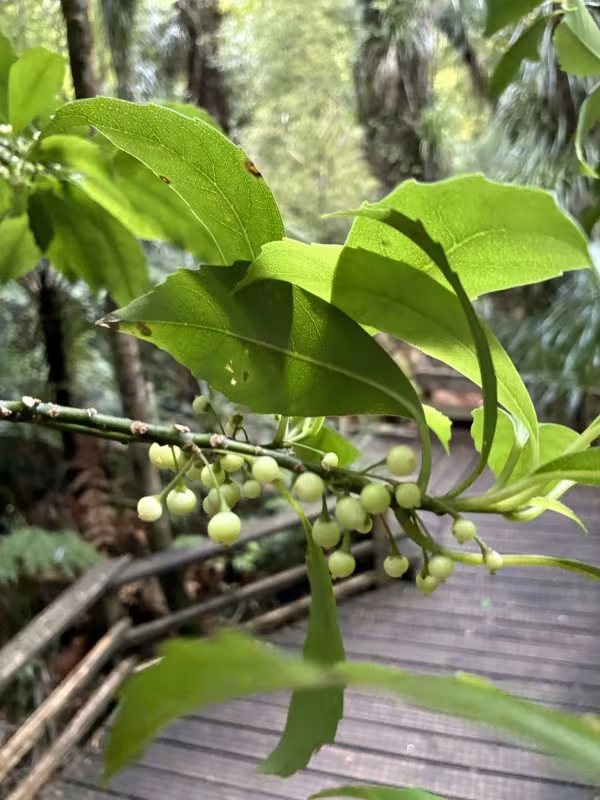
Description
Growing requirements
Large-leaved melicytus (Melicytus macrophyllus) is a hardy evergreen shrub belonging to the Violaceae family. It is native to New Zealand, where it naturally occurs in the understory of temperate forests and humid environments.
The plant requires a stable microclimate with moderate temperatures and high ambient humidity. In cultivation, it thrives best in shaded or semi-shaded positions that mimic the forest floor, away from harsh winds and direct afternoon sunlight.
Soil requirements focus on fertility and drainage; the plant demands humus-rich, slightly acidic, and well-aerated soil. Poorly drained conditions frequently lead to root failure, making drainage preparation a critical step before planting.
Botanically, this species is defined by its large, leathery, serrated leaves and small, fragrant flowers. It possesses a moderate growth rate and responds well to structural pruning, making it suitable for hedges or ornamental landscape plantings.
Cultural practices include consistent watering during dry spells and applying organic mulch to maintain soil moisture levels. In climates with freezing winters, it is typically grown in pots to allow for relocation during cold weather.
Main diseases and pests
Fungal pathogens represent the primary threat to this shrub, particularly when environmental conditions are too wet. Leaf spots and stem rots can develop quickly if stagnant air and high humidity are not managed properly.
Scale insects and mealybugs are the most common pests found on the foliage. They can cause significant stress, leading to yellowing leaves and stunted growth if left unmonitored; systemic insecticides are often recommended for control.
Spider mites can become a nuisance in indoor or greenhouse settings where the air is dry. Maintaining high air moisture or misting the foliage regularly can effectively prevent these infestations.
Root rot, driven by waterlogged soil, is the most common cause of plant loss. Improving soil structure with organic matter or grit is a necessary measure to prevent this fatal condition.
Integrated pest management, including pruning affected branches and encouraging natural predators, is the best strategy for maintaining long-term health in an ornamental garden.