
Narrow-leaved mahoe
Melicytus lanceolatus
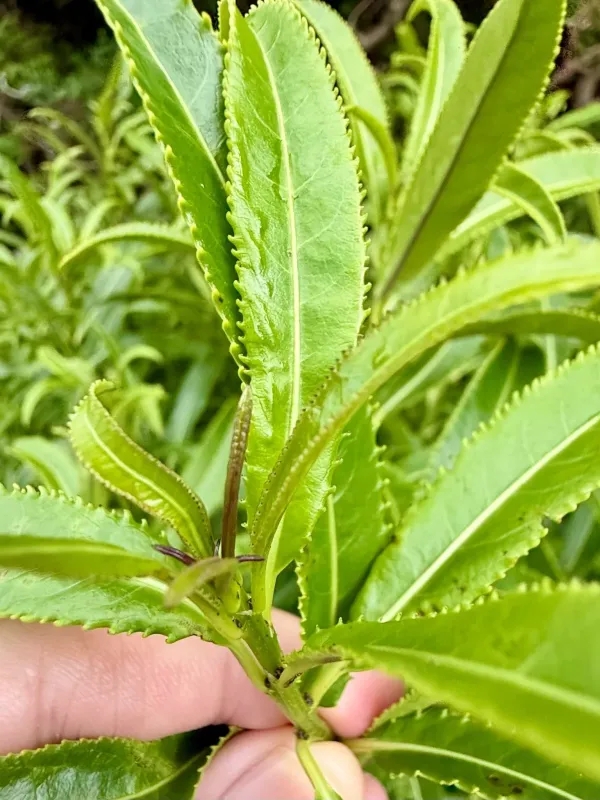
Description
Growing requirements
The narrow-leaved mahoe (Melicytus lanceolatus) is an evergreen shrub belonging to the Violaceae family. It is native to New Zealand, primarily found in the understory of broadleaf forests, where it thrives in shaded and protected environments.
Regarding soil requirements, this species favors well-draining, nutrient-rich soil that mimics the forest floor conditions. A slightly acidic to neutral pH level is ideal for maintaining the plant’s health and supporting its continuous growth throughout the year.
Climatic requirements are centered around stable temperatures and high air humidity. The plant is not tolerant of extreme frost or intense, direct afternoon sun, which can cause significant damage to its delicate lance-shaped foliage.
The standard agricultural practice for Melicytus involves consistent irrigation to prevent soil from drying out completely. Organic mulch applied around the root zone helps to regulate temperature and maintain adequate moisture levels during warmer months.
Its primary use is ornamental, often utilized in landscape gardening as a specimen plant or within forest-themed borders. The unique leaf structure and aesthetic appeal make it a preferred choice for gardeners looking for native New Zealand aesthetics.
Main diseases and pests
The main threats to the narrow-leaved mahoe include root rot pathogens that thrive in waterlogged soil conditions. Ensuring proper drainage and avoiding water accumulation is critical for the long-term survival of the shrub.
Pest management focuses on controlling aphids and scale insects that may congregate on young, tender shoots. Regular observation and the application of insecticidal soaps, when necessary, are effective management strategies.
Spider mites can become a challenge in low-humidity environments, particularly during dry summers. Maintaining high environmental moisture and occasional misting can prevent infestations before they become problematic for the plant's health.
Fungal leaf spots may occur if air circulation around the canopy is restricted. Proper pruning practices to thin out the dense branches will significantly improve airflow and reduce the likelihood of disease development.
Overall, Melicytus lanceolatus is a robust species when planted in its ideal niche. Avoiding extreme environmental stress and following regular maintenance protocols will ensure the plant remains vigorous and free of major pests or diseases.