
Melicytus micranthus
Melicytus micranthus
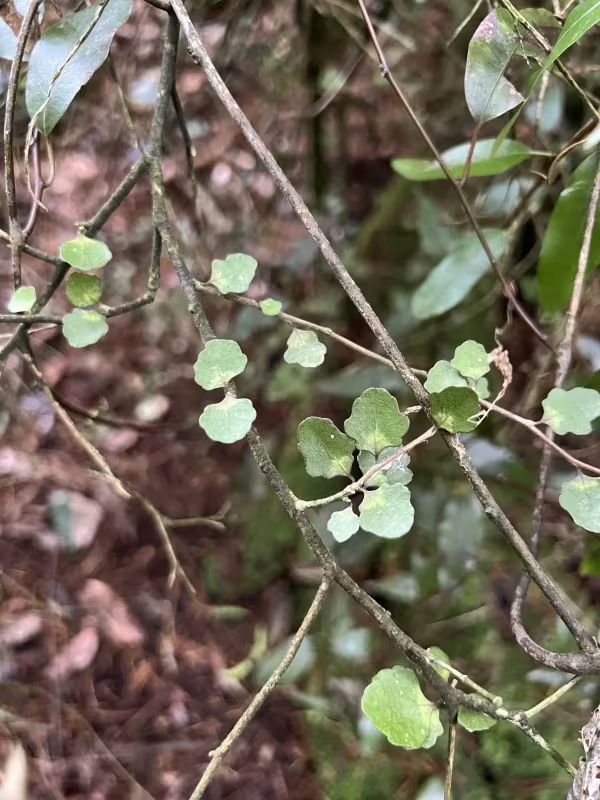
Description
Growing requirements
Melicytus micranthus, commonly known in its native New Zealand as one of the species within the Violaceae family, is a versatile evergreen shrub. It is typically found in diverse forest environments where it thrives as a significant component of the native understory.
The cultivation of this species requires well-draining, nutrient-rich soil to ensure proper development of the root system. Waterlogged conditions are detrimental to the plant, making soil aeration a critical factor during the initial planting stages.
Regarding climatic preferences, the plant prefers temperate conditions with high humidity levels. It performs best in sheltered positions where it is protected from strong, drying winds and excessive direct sunlight that might scorch its delicate foliage.
Maintenance of the soil pH is recommended to stay within the slightly acidic to neutral range. Mulching the base of the plant helps maintain soil temperature and moisture levels, which is essential for young specimens during their first two years of growth.
In terms of agricultural and horticultural use, Melicytus micranthus is highly valued for its contribution to native plant restoration projects and as a formal or informal hedging plant due to its dense, branching habit.
Main diseases and pests
The primary pests affecting this shrub include scale insects and various aphids which can colonize the underside of leaves, causing significant stress to the plant during its peak growth season.
Fungal issues, particularly leaf spot diseases, can occur if the plant is grown in poorly ventilated areas where moisture remains trapped on the foliage for extended periods of time.
Integrated pest management strategies should include regular monitoring of the canopy and the physical removal of heavily infested branches to prevent the rapid spread of pathogens.
Proper hygiene is crucial for preventing root rot; maintaining clear ground around the plant base ensures that water flows away from the main stem, protecting the plant from anaerobic soil conditions.
While the species is relatively robust, occasional applications of balanced organic fertilizers help improve its resistance to environmental pressures and pest infestations.