
Melicytus dentatus
Melicytus dentatus
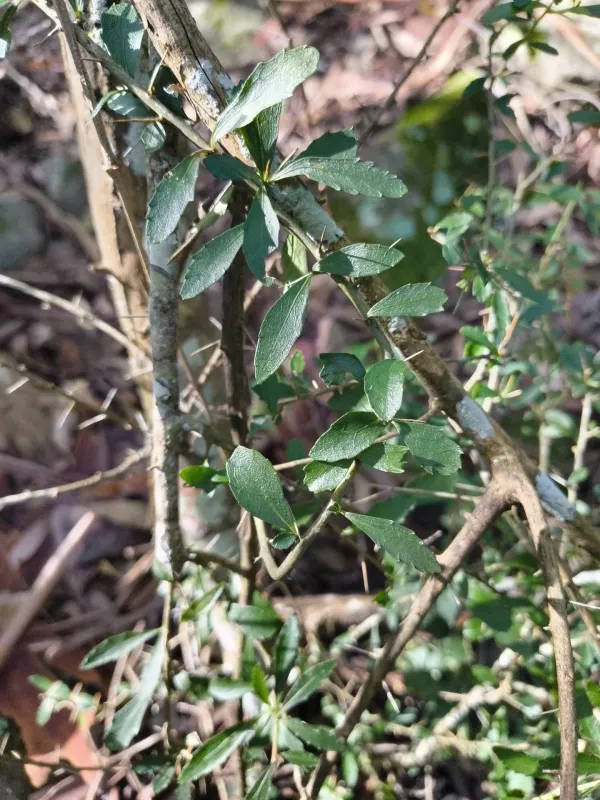
Description
Growing requirements
Melicytus dentatus, a member of the Violaceae family, is an evergreen shrub or small tree native to New Zealand. It typically inhabits forest margins and coastal environments, showcasing high adaptability to different light conditions.
The plant thrives in well-drained, fertile soil with a neutral to slightly acidic pH. Incorporating organic compost during the planting stage is highly recommended to provide the necessary nutrients for the plant's sustained development.
Regarding climate, Melicytus dentatus prefers mild conditions with shelter from harsh winds. While it shows some cold hardiness, it should be protected from severe frosts that can damage the delicate branch structure.
Agricultural techniques involve consistent irrigation, especially during the first growing seasons, to ensure a strong root system. Once established, the plant becomes reasonably drought-tolerant but still benefits from supplemental water during dry spells.
Its primary use is ornamental landscaping. The shrub is prized for its dense habit and foliage, making it an excellent candidate for hedging, screening, or as a focal point in a mixed-border garden setting.
Main diseases and pests
Root rot is the most significant threat to the health of Melicytus dentatus. This condition is primarily caused by poor drainage and excessive moisture, which leads to oxygen deprivation in the root zone.
Pests like aphids and scale insects may infest the plant during the growing season. Early intervention with insecticidal soap or horticultural oil can effectively manage populations before they impact the plant's overall health.
Spider mites can become an issue in environments with low humidity. Maintaining proper air circulation and regular misting can help prevent mite outbreaks in indoor or sheltered outdoor collections.
Fungal infections such as powdery mildew can occur during periods of high humidity and poor airflow. Fungicides containing sulfur or copper are effective tools for managing these infections when applied correctly.
To keep the plant healthy, periodic pruning is essential. Removing dead or diseased branches not only improves the aesthetics but also reduces the risk of pathogens spreading throughout the canopy.