
Melicytus ramiflorus
Melicytus ramiflorus
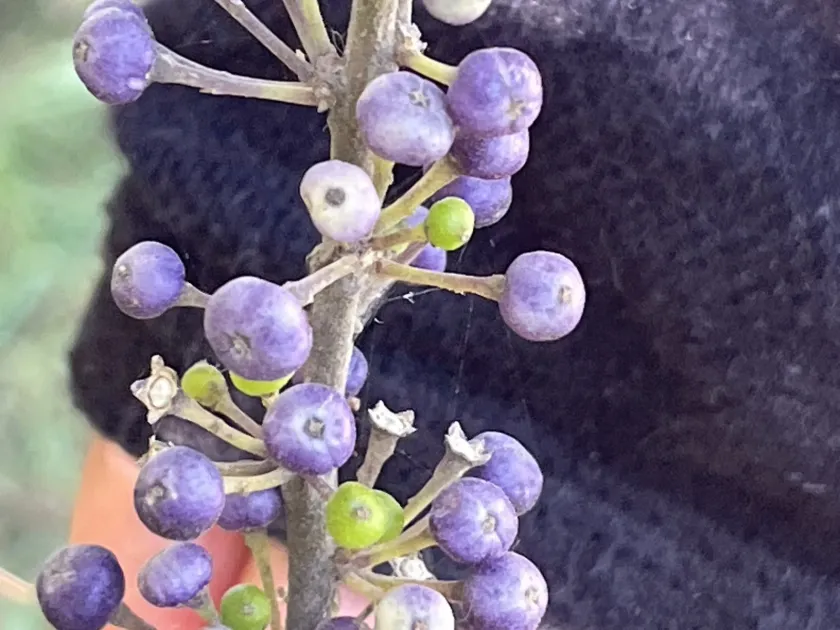
Description
Sowing dates
The propagation of Melicytus ramiflorus in nurseries is typically performed via seeds or semi-hardwood cuttings for better results.
Seeds require a period of stratification to break dormancy and ensure uniform germination across the seedbed in controlled environments.
Sowing should be done in a well-draining, nutrient-rich substrate, keeping the soil moisture consistent throughout the development of the seedlings.
Cuttings are highly recommended for maintaining plant vigor, with the ideal harvest period occurring during the late summer months.
Utilizing rooting hormones and maintaining high humidity levels in propagation chambers significantly enhances the success rate of young saplings.
Growing requirements
Belonging to the Violaceae family, Melicytus ramiflorus is native to New Zealand and thrives in a wide range of ecological conditions.
The plant prefers fertile, well-draining soils but shows remarkable adaptability to various substrates, including those in exposed coastal areas.
It performs optimally in full sun to partial shade, where the density of its foliage can be fully maintained through proper light exposure.
The species requires protection from severe frosts, which can damage the tender shoots, and prefers a stable temperate climate.
Adequate air circulation is essential for the healthy growth of the tree, preventing the buildup of humidity within its dense canopy.
Yield
Economically, Melicytus ramiflorus is primarily utilized as a versatile ornamental plant for landscaping and hedging purposes.
The species contributes significantly to biodiversity as its prolific small berries serve as a primary food source for native bird species.
The wood is historically recognized for its strength and utility, offering potential for traditional crafts and rural construction projects.
In landscape design, its productivity is measured by its ability to create effective windbreaks and thick privacy screens within a short period.
Regular maintenance, including selective pruning, maximizes the ornamental value and density of the plant structure for sustainable use.
Main diseases and pests
Common threats to the species include fungal pathogens that can develop if the planting environment lacks adequate airflow or drainage.
Insect pests, specifically leaf-eating insects, may occasionally affect the foliage, particularly in younger or stressed specimens.
Root rot is a significant danger if the plant is subjected to waterlogged soil conditions, which severely impairs root system function.
Proactive management of soil conditions and regular monitoring are crucial to maintain the plant's natural resistance to common ailments.
- Ensure excellent drainage in all planting sites.
- Conduct regular canopy thinning to improve aeration.
- Apply balanced organic fertilizers to bolster natural defenses.