
Hybanthus humilis
Hybanthus humilis
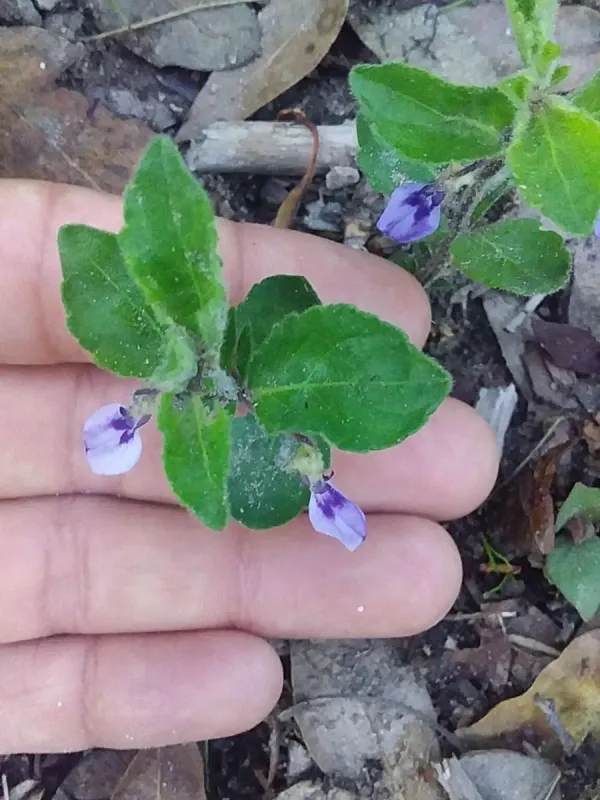
Description
Sowing dates
Sowing Hybanthus humilis requires a controlled greenhouse environment where temperature and humidity can be strictly regulated for optimal germination rates.
The best time to initiate cultivation is during the early spring months, ensuring the seedlings receive increasing daylight hours to stimulate early development.
Seeds should be sown on the surface of a light, moisture-retentive substrate, as they are light-dependent for successful sprouting and establishment.
Maintaining consistent soil moisture is critical during the initial three weeks of the cycle to support the fragile early growth stages of the plant.
Once the seedlings develop strong root systems, they are transplanted into larger containers to prevent crowding and ensure individual access to nutrients.
Growing requirements
Hybanthus humilis is a member of the Violaceae family and is native to tropical climates, which dictates its specific needs for warmth and light.
The plant thrives in soil that is rich in organic matter, slightly acidic, and characterized by excellent drainage properties to prevent root suffocation.
High humidity levels are essential for the healthy physiological function of the plant, ideally paired with a steady ambient temperature of 22 to 26 degrees Celsius.
While the species appreciates light, it should be protected from direct, harsh solar radiation, which can lead to leaf scorching and overall plant stress.
Regular fertilization with balanced micronutrients is recommended during the active growth phase to maintain vibrant foliage and support physiological processes.
Main diseases and pests
The primary threats to this culture are fungal pathogens, specifically those that flourish in environments with poor air circulation and excessive moisture.
Root rot, often caused by overwatering, remains the most significant agricultural challenge, frequently leading to irreversible plant loss if not managed early.
Spider mites represent a major pest risk, particularly in warmer seasons when the indoor air becomes dry, necessitating frequent monitoring of the foliage.
Foliar diseases such as powdery mildew can compromise the photosynthetic capacity of the plant, requiring the application of preventive fungicide treatments.
Integrated pest management strategies are advised, including the removal of infected plant debris and ensuring proper spacing to improve natural airflow.