
Hybanthus enneaspermus
Hybanthus enneaspermus
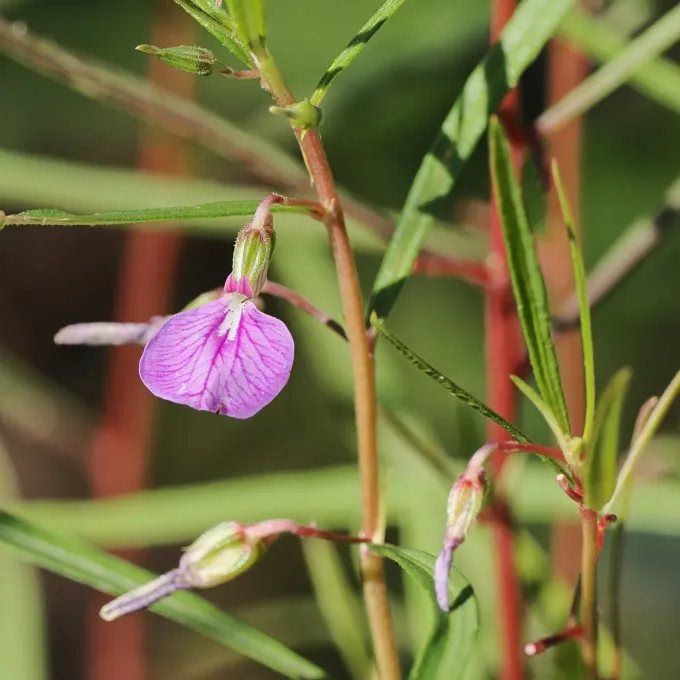
Description
Growing requirements
Hybanthus enneaspermus is a perennial herb or small subshrub belonging to the Violaceae family. It is recognized for its slender, branched stems and small, lanceolate leaves, which allow it to thrive in diverse ecological niches ranging from open fields to shrublands.
The plant is native to tropical and subtropical regions across Asia, Africa, and Australia. It is highly adapted to areas with distinct wet and dry seasons, demonstrating resilience and the ability to regenerate quickly once favorable weather conditions return.
Agricultural success depends on providing full sun exposure. The species is heliophilic and requires high light intensity to maximize the synthesis of active metabolites, which are essential for its medicinal efficacy and overall health.
Regarding soil requirements, the plant prefers sandy or loamy soils that possess excellent drainage properties. While it can survive in nutrient-poor environments, a moderate application of organic fertilizer during the planting stage significantly boosts vegetative growth.
The economic value of this crop lies in its widespread traditional use. It is traditionally harvested for its root and leaf extracts, which are utilized in the development of herbal supplements and remedies focused on inflammation, immunity, and overall metabolic health.
Main diseases and pests
Common agricultural pests such as spider mites and aphids are the primary threats to the foliage of Hybanthus enneaspermus. These insects suck the sap from the leaves, leading to chlorosis and potential stunting of the plant's growth if left unmanaged.
Fungal diseases are the most significant concern in high-humidity cultivation environments. Species causing root rot are particularly dangerous, as they can cause sudden wilting and total crop loss if the soil remains waterlogged for extended periods.
Cultural control methods such as maintaining adequate spacing between plants are essential for ensuring proper airflow. Good ventilation reduces the humidity around the base of the plant, which is a key strategy for preventing the onset of mold and fungal pathogens.
Integrated Pest Management (IPM) practices should be employed to mitigate damage. This involves monitoring the field for early signs of infestation and using biological control agents, such as beneficial predatory insects, before resorting to chemical treatments.
Regular sanitation of the farm area, including the removal of dead plant debris, is highly effective in breaking the life cycle of pests. By keeping the growing environment clean and optimizing irrigation schedules, growers can ensure a robust and healthy harvest.