
Hybanthus attenuatus
Hybanthus attenuatus
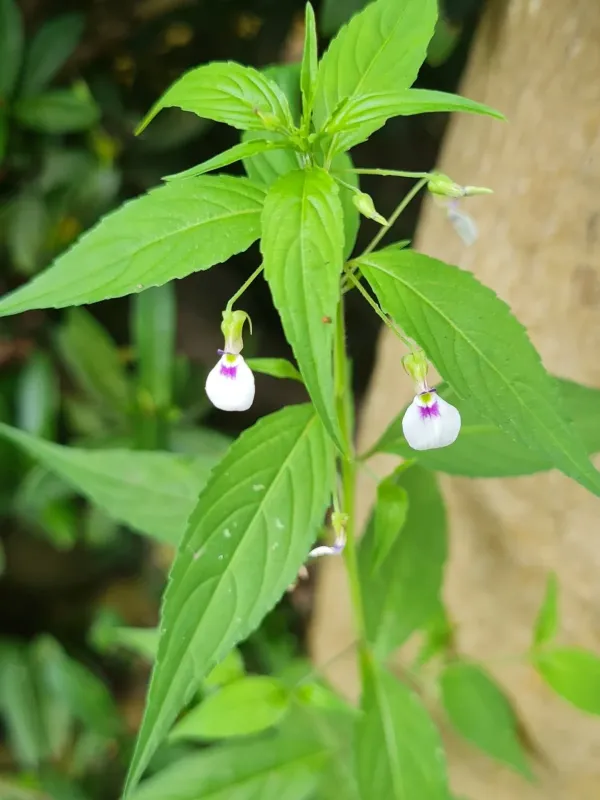
Description
Sowing dates
Sowing should take place in early spring once the soil temperature is consistently above 15 degrees Celsius to ensure successful germination.
The seeds require a light, well-draining potting mix with a slightly acidic profile, typical for members of the Violaceae family.
Light coverage of the seeds is essential, as they need a moderate amount of light to initiate the physiological processes of sprouting.
Stratification for two to three weeks is recommended for those looking to improve overall germination rates and seedling uniformity.
Once seedlings achieve their first set of true leaves, transplanting them into individual pots will provide the space needed for root development.
Growing requirements
Hybanthus attenuatus thrives in environments with bright, indirect sunlight, as direct exposure can scorch the delicate foliage of the plant.
Moisture management is a critical factor, requiring consistently damp soil without letting the plant sit in stagnant or waterlogged conditions.
A temperature range of 20 to 25 degrees Celsius is ideal for maintaining active metabolic processes and steady vegetative growth throughout the season.
The soil structure should be rich in organic matter, such as compost or peat-based amendments, to support healthy nutrient uptake.
- Maintain high ambient humidity levels.
- Use balanced, low-concentration liquid fertilizers.
- Ensure constant airflow to prevent foliage moisture stagnation.
Yield
The overall yield of this crop is highly dependent on precise environmental controls and the avoidance of heat or moisture stress during the growth cycle.
In optimal conditions, the harvestable biomass of the aerial parts provides a moderate yield suitable for small-scale botanical or medicinal production.
Pruning or topping the central stem can encourage lateral growth, which increases the total number of flowering shoots and improves crop density.
Seed harvesting must be done with precision, as the fruit pods can dehisce unexpectedly, leading to significant seed loss if not monitored daily.
The slow growth rate inherent to this species dictates that high-volume industrial cultivation is generally less viable than small-plot intensive production.
Main diseases and pests
Fungal pathogens represent the primary threat to the crop, particularly when humidity levels remain high for extended periods without adequate ventilation.
Spider mites are frequently encountered pests that prefer the dry conditions often found in improperly managed indoor or greenhouse environments.
Root rot, caused by overwatering or poorly aerated soil substrates, is a common cause of plant failure that is difficult to reverse once started.
Regular sanitation of the growing area and the immediate removal of infested leaves are effective strategies for keeping pest populations in check.
Biological control agents, such as predatory mites, can be introduced to manage pest numbers without the need for synthetic chemical applications.
Harvesting
The harvest period is ideally timed during the peak of the flowering cycle when the concentrations of bioactive compounds are at their highest.
Sharp, sterilized cutting tools should be used to trim the plant, ensuring that clean wounds are left to prevent opportunistic infection.
Drying the collected material requires a cool, shaded environment with constant air movement to preserve the integrity of the chemical constituents.
Post-harvest handling involves careful cleaning of seeds and storage in airtight containers placed in a dark, dry location for long-term viability.
Quality control during harvesting requires inspecting the crop for any signs of mold, mildew, or damage before the material is processed for use.