
Eastern greenviolet
Hybanthus concolor
Description
Growing requirements
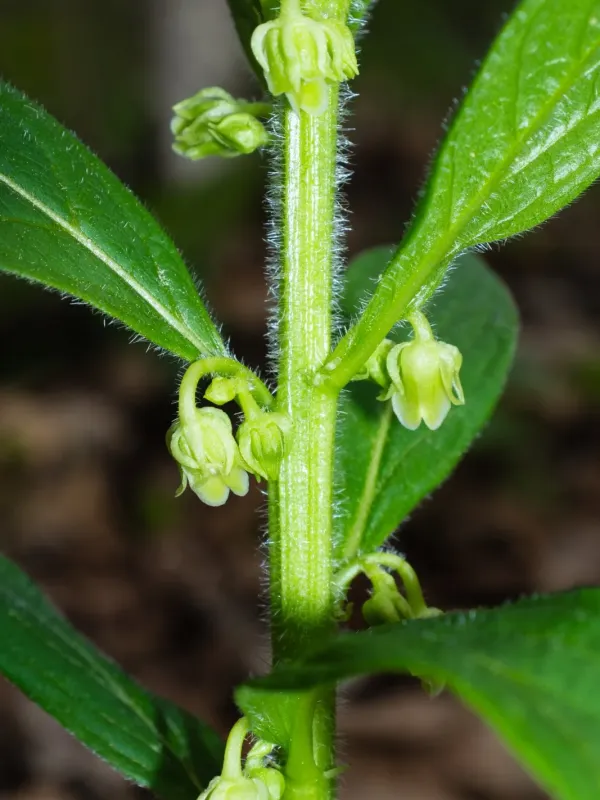
The Eastern greenviolet (Hybanthus concolor), a member of the Violaceae family, is a herbaceous perennial native to deciduous forests across North America. It is a distinct species known for its specific growth habit.
The plant thrives in moist, well-draining soils rich in organic matter. It is best suited for woodland garden environments that provide consistent partial shade throughout the growing season.
Climate requirements include a temperate environment with sufficient rainfall. The plant is sensitive to drought, which can lead to premature dormancy or stress if water availability is not maintained.
Agrotechnical care focuses on mulch application to retain soil moisture and regulate soil temperature. Propagation is typically achieved through seeds that require a period of cold stratification to germinate.
The primary use of this crop is ornamental, favored by collectors of native plants for shade gardens and botanical study collections, requiring patience during the establishment phase.
Main diseases and pests
Common plant threats involve fungal pathogens that affect the roots when soil drainage is insufficient, leading to crown rot and reduced vigor in the plant.
Pests such as spider mites and aphids are frequently observed, particularly when the plant experiences heat stress or grows in dry air conditions.
Effective management includes maintaining optimal airflow and sanitation of the planting site to prevent the buildup of pathogens during humid spells.
Control of insect populations should prioritize integrated pest management techniques, ensuring the overall health of the specimen is maintained through balanced fertilization.
Gardeners should monitor the foliage during mid-summer to detect any early signs of pest activity or disease development that might necessitate intervention.