
Hybanthus parviflorus
Hybanthus parviflorus
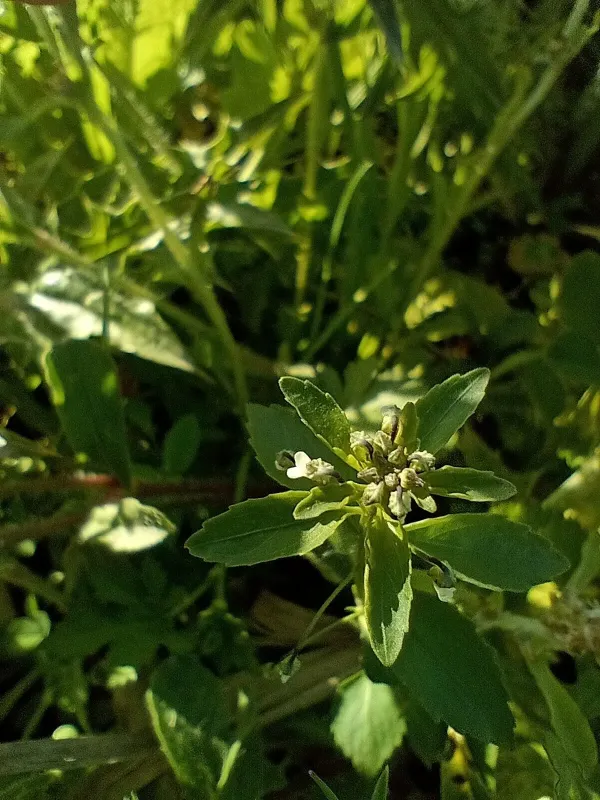
Description
Growing requirements
Hybanthus parviflorus is a perennial herbaceous plant belonging to the Violaceae family. It is recognized for its unique botanical structure, which distinguishes it from more common members of the violet family found in temperate regions.
The plant originates from the tropical and subtropical regions of the Americas. It thrives in environments with high ambient temperatures and consistent moisture levels, making it well-adapted to specific tropical ecosystems where sunlight is abundant throughout the year.
In terms of soil requirements, the species prefers light, well-drained soils that allow for rapid root development. It performs best in substrates rich in organic matter with a neutral to slightly acidic pH level, avoiding compacted clay-based soils that limit oxygen access.
Botanical features of Hybanthus parviflorus include small, inconspicuous yet complex flowers that are characteristic of the genus. The foliage is typically narrow and lanceolate, allowing the plant to maintain physiological efficiency in warmer climates where evaporation rates are high.
Agronomic practices focus on maintaining optimal soil moisture while ensuring excellent drainage to prevent root issues. Careful weeding is essential during the establishment phase, as the plant can be sensitive to competition from aggressive native grasses in its early growth stages.
Main diseases and pests
Fungal pathogens associated with soil humidity are the most significant threats to the crop. These diseases often emerge when irrigation management fails, leading to root system decay and potential loss of yield if not addressed immediately with corrective drainage measures.
Insect pests such as aphids and leaf-chewing larvae can cause damage to the tender parts of the plant. Sustainable pest management programs should prioritize natural predators and early detection to maintain the health of the cultivation without heavy reliance on synthetic pesticides.