
Hybanthus havanensis
Hybanthus havanensis
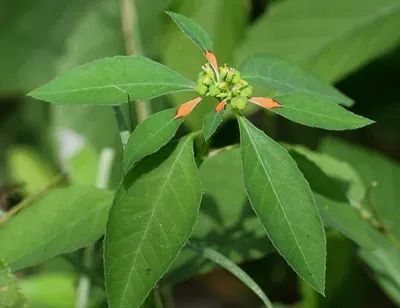
Description
Growing requirements
Hybanthus havanensis is a perennial subshrub species belonging to the Violaceae family. It is a rare tropical plant that possesses distinct botanical features, commonly found in its native habitat within the Caribbean region, specifically Cuba.
The plant thrives in tropical environments characterized by high annual temperatures and specific seasonal moisture patterns. It is naturally adapted to limestone soils, showing resilience in alkaline soil conditions.
For successful cultivation, Hybanthus havanensis requires intense solar radiation and well-draining substrate. It does not tolerate waterlogged conditions, which can lead to rapid root decay and plant decline.
Agronomic management should focus on maintaining temperatures within the tropical range. Proper spacing is essential to ensure adequate air circulation, which helps regulate humidity levels around the foliage.
Regarding its economic utility, the species is primarily grown for botanical collections and scientific research. It serves as a subject for chemical analysis due to the unique bioactive compounds found in its tissues.
Main diseases and pests
Root rot, caused by fungal pathogens such as Phytophthora, is the primary threat to the crop. These infections often originate from poor drainage and overly saturated growing media.
Pests such as spider mites and mealybugs frequently target the plant, especially in greenhouse environments. These insects weaken the plant by feeding on sap and spreading secondary viral diseases.
Integrated pest management (IPM) is crucial for managing these threats. Monitoring systems should be implemented to detect pest populations at an early stage, allowing for targeted biological control.
Nematode infestations can also compromise the root system, causing stunted growth and chlorosis. Utilizing sterilized potting mixes is a standard protective measure to mitigate this risk.
Strict adherence to sanitation protocols is necessary to prevent the spread of diseases within the cultivation area. Regular removal of dead or decaying plant material helps maintain a healthy environment for the crop.