
Hybanthus atropurpureus
Hybanthus atropurpureus
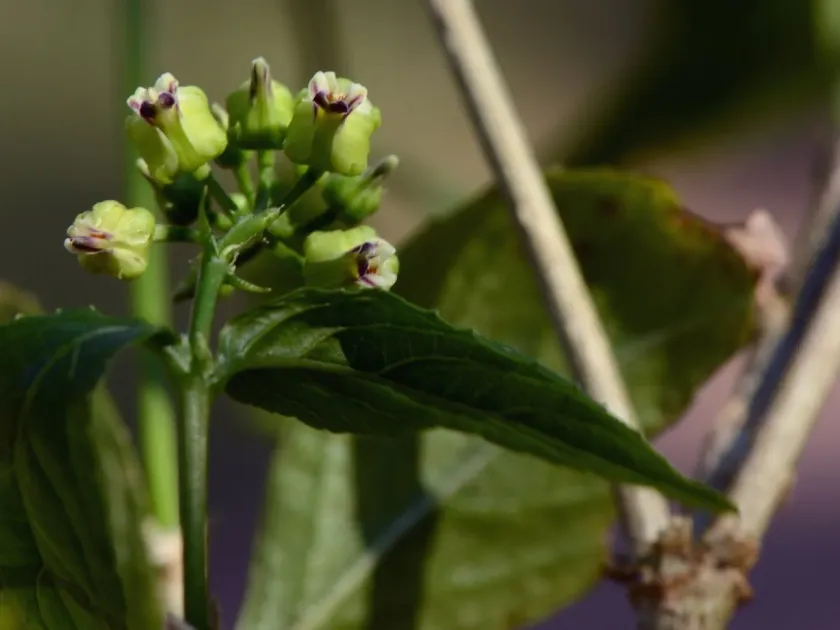
Description
Growing requirements
Hybanthus atropurpureus is a distinct member of the Violaceae family, originating from tropical regions. As an agronomic subject, it requires specific environmental conditions that mimic its native forest floor or subtropical habitat to thrive effectively.
The soil requirements are strict: the substrate must be well-drained, porous, and rich in organic matter. A neutral pH level is ideal for nutrient uptake, and the soil structure should prevent compaction, which is detrimental to the development of its delicate root system.
Climate management is essential for this species. It demands a warm environment with temperatures consistently staying between 20°C and 28°C. Cold drafts or sudden temperature drops can severely damage the plant's metabolic processes and stop growth entirely.
Irrigation practices must be precise. Hybanthus atropurpureus prefers a constant moisture level without becoming waterlogged. Using automated drip irrigation systems with soil moisture sensors is recommended to maintain the equilibrium of the growth medium.
Light intensity should be managed carefully. While the plant requires significant light for photosynthesis, direct midday sun is often too harsh. Using 30-50% shade cloth helps protect the leaves and ensures consistent plant development throughout the vegetative stage.
Main diseases and pests
Root rot pathogens, particularly from the Pythium and Phytophthora genera, are the most significant threats to Hybanthus atropurpureus. These organisms thrive in overly wet conditions and can quickly lead to plant death if not addressed.
Pest pressure often includes spider mites, especially in indoor environments with low humidity. These pests feed on cell sap, causing yellowing and stunted growth. Maintaining adequate humidity levels is a key cultural control method.
Aphids can also colonize the plant, focusing on new vegetative shoots and flower buds. Infestations should be handled with systemic insecticides or neem oil-based organic treatments to reduce the pest load without harming the plant's health.
Fungal leaf spot diseases may appear if air circulation is poor. Ensuring adequate spacing between plants and keeping the canopy dry during the late afternoon is a standard practice to mitigate the risk of foliage pathogens.
Effective management requires a proactive approach including sanitization of tools and pots. By maintaining a clean growing environment, the need for chemical intervention is minimized, ensuring a healthier and more productive crop yield.