
Tripora divaricata
Tripora divaricata (Maxim.) P. D. Cantino
Description
Sowing dates
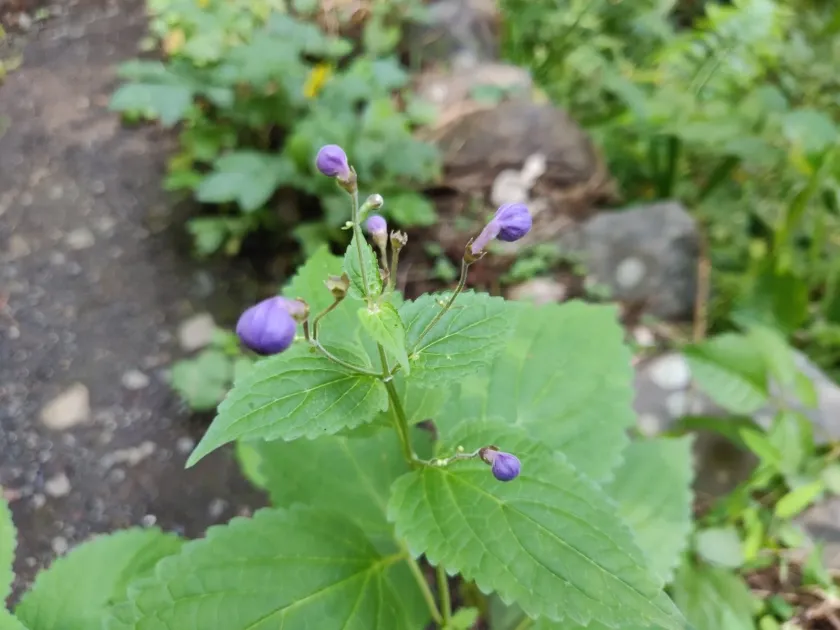
Tripora divaricata, formerly classified within the Caryopteris genus, is a perennial flowering plant belonging to the Lamiaceae family. It is valued for both its ornamental inflorescences and its ecological role in the garden.
Propagation is most effective through seeds sown in early spring. It is recommended to stratify the seeds in a cold environment for a few weeks before planting, which significantly enhances the germination rate of this species.
Seeds should be surface-sown or covered only by a thin layer of fine substrate. Maintaining a constant temperature between 18°C and 22°C with high ambient humidity is crucial for the seedlings' early development.
Transplanting into the permanent garden site should occur once the risk of spring frost has completely passed. The plant establishes its root system relatively quickly, provided the soil is well-prepared and loosened.
Early maintenance involves keeping the soil consistently moist but not saturated. As the plants mature, they will naturally space out their growth, forming dense, healthy clumps that can eventually be divided for vegetative propagation.
Growing requirements
This species thrives in sunny locations with well-draining soil. It is particularly well-suited for rock gardens or perennial borders where soil moisture can be strictly controlled to prevent root decay.
Regarding soil pH, Tripora divaricata prefers neutral to slightly alkaline conditions. If the native soil is acidic, amending it with agricultural lime or crushed limestone is highly recommended to improve plant vigor.
The plant is considered moderately hardy. In colder climate zones, covering the base of the plant with dry organic mulch during winter helps to protect the root crown from extreme freeze-thaw cycles.
Watering requirements are moderate. Once the plant is established, it can withstand short periods of drought, making it an excellent candidate for water-wise landscaping projects in temperate climates.
Regular fertilization is not strictly required but beneficial. A balanced, slow-release fertilizer applied in early spring supports sustained growth and contributes to a more profuse flowering period during the late summer.
Main diseases and pests
Tripora divaricata is naturally resistant to many common pests due to the secondary metabolites present in its foliage. However, like many plants in the mint family, it remains vulnerable under poor cultural conditions.
Root rot is the primary physiological threat. It is almost exclusively caused by poor drainage or overwatering. Proper soil aeration is the most effective preventative measure against this type of fungal infection.
Aphids can occasionally be found on the tender shoots during dry spells. These infestations are generally mild and can be managed by washing the plants with a gentle stream of water or using horticultural soaps.
Powdery mildew is a potential threat when plants are placed in areas with insufficient air circulation. Thinning out the branches and avoiding overhead watering helps to maintain dry foliage, discouraging fungal growth.
Gastropods such as slugs may occasionally consume young succulent leaves. Placing physical barriers or using organic-approved snail baits in early spring can protect the plants until they grow large enough to be less attractive to these pests.