
Stachytarpheta urticifolia
Stachytarpheta urticifolia Sims
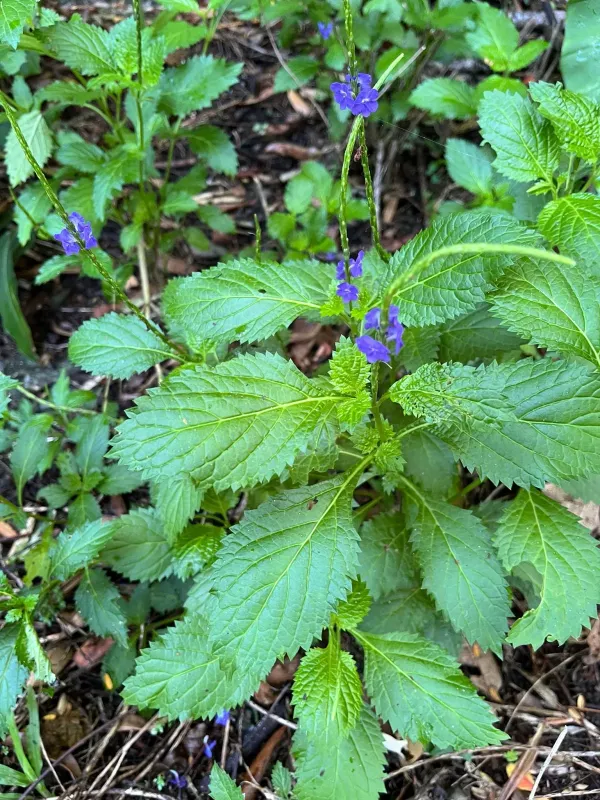
Description
Growing requirements
Stachytarpheta urticifolia is a robust herbaceous plant or subshrub belonging to the Verbenaceae family. It is native to tropical regions of the Americas and has been widely distributed across tropical zones globally due to its adaptability and ecological resilience.
This crop thrives in warm climates, requiring full sunlight exposure to maintain its vigorous growth and profuse flowering. It is sensitive to frost and cold stress, necessitating cultivation in controlled environments or sheltered locations in non-tropical regions.
The ideal soil for this species is a well-drained, nutrient-rich medium with moderate moisture retention. While it can tolerate various soil textures, avoiding compaction and waterlogging is essential for maintaining a healthy root system and preventing chlorosis.
Agronomic management involves maintaining consistent soil moisture, particularly during the peak growing season, combined with balanced fertilization. Pruning is often employed to promote bushier growth and enhance the yield of harvestable foliage and stems.
In various parts of the world, it is valued for its potential medicinal properties and its role in traditional landscaping. Proper spacing during planting is critical to ensure airflow and reduce the humidity levels that the plant might otherwise encounter.
Main diseases and pests
The primary threats to the cultivation of Stachytarpheta urticifolia include fungal pathogens such as root rot and leaf spots. These issues are exacerbated in environments with poor drainage and high ambient humidity levels, requiring careful monitoring.
Common agricultural pests affecting this plant are aphids, whiteflies, and spider mites. These pests typically colonize the undersides of the leaves, drawing nutrients and weakening the plant's structural integrity over time.
Powdery mildew can also occur during periods of high temperature fluctuations, creating a white coating on the leaves that inhibits photosynthesis. Cultural practices like pruning infected stems and applying bio-fungicides can mitigate these outbreaks.
Caterpillars and other leaf-chewing larvae can cause significant physical damage to the plant's foliage. Regular scouting of the fields is recommended to identify infestation levels before they escalate into an economic issue for the producer.
Maintaining biological diversity around the crop fields helps naturally suppress pest populations. Integrated pest management (IPM) strategies, which combine cultural, biological, and minimal chemical interventions, are most effective for this tropical plant.