
Rhaphithamnus spinosus
Rhaphithamnus spinosus
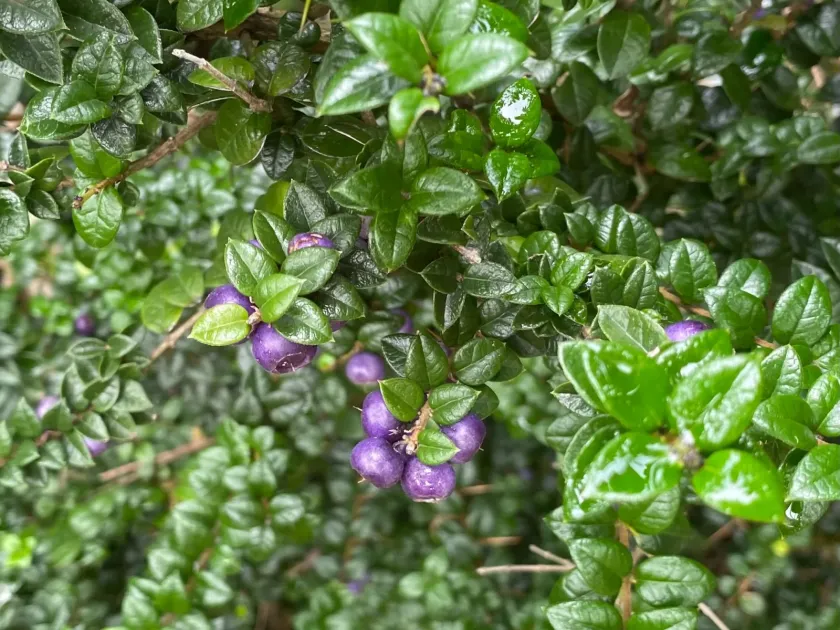
Description
Growing requirements
Rhaphithamnus spinosus is an evergreen shrub or small tree belonging to the Verbenaceae family. Naturally, this plant is found in temperate and subtropical regions of South America, specifically within Chile and Argentina, where it thrives in specific ecological niches.
The botanical highlight of this species is its sharp, stiff thorns that serve as a defensive mechanism against herbivores. The leaves are opposite and leathery, while the flowers exhibit a distinct funnel shape with attractive blue or violet hues, enhancing its aesthetic appeal in landscape design.
The crop requires moderate climatic conditions, preferring locations shielded from heavy winds and receiving sufficient sunlight. It shows resilience to brief temperature drops, though severe frosts can damage the younger shoots and jeopardize the health of the entire plant.
Rhaphithamnus is relatively flexible regarding soil types but performs best in well-drained, moderately fertile loamy soils. Stagnant moisture near the root zone is detrimental to the plant, making it essential to incorporate a high-quality drainage layer during the initial planting phase.
In terms of agricultural and horticultural use, this species is primarily valued as an ornamental plant for park landscaping and the formation of impenetrable hedges due to its dense, prickly canopy. It also serves as a reliable honey plant, attracting various pollinators during its peak flowering season.
Main diseases and pests
The most significant threats to the health of this shrub involve fungal diseases affecting the root system, which are often exacerbated by irregular watering schedules or chronic soil waterlogging. Routine aeration of the growing medium is a critical step in preventing root rot.
Regarding pest pressure, sap-sucking insects such as aphids or spider mites represent the main threat, especially during dry spells when they attack young leaf tissues. Timely monitoring and the application of appropriate insecticides are necessary to maintain the plant's decorative appearance.