
Forsskaolea tenacissima
Forsskaolea tenacissima
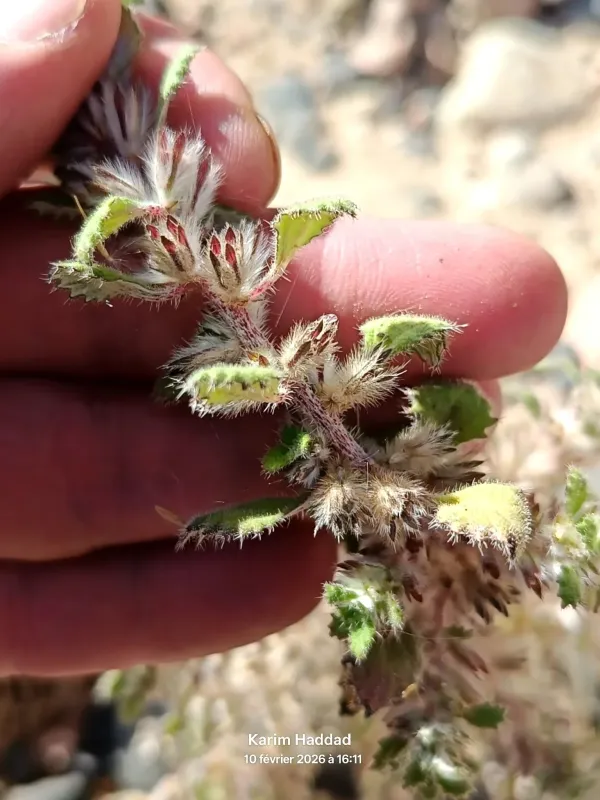
Description
Growing requirements
Forsskaolea tenacissima is a notable perennial herb belonging to the Urticaceae family. It is renowned for its remarkable ability to thrive in extremely harsh desert conditions.
The plant originates from arid regions across North Africa and the Middle East, primarily colonizing sandy, stony, or rocky soils that are largely unsuitable for conventional farming.
This species is uniquely adapted to high-temperature environments, demonstrating significant resilience against prolonged drought and intense direct solar radiation.
Its botanical structure includes rigid, hair-covered leaves designed to minimize transpiration, effectively conserving internal water stores during heatwaves.
The root system of the plant is highly developed, capable of reaching deep into the soil strata to access moisture reserves, which is a critical survival mechanism in arid landscapes.
Yield
The primary agricultural application of Forsskaolea tenacissima is as a vital forage resource for livestock, particularly camels and goats, in regions where other fodder is scarce.
In various local traditions, the plant is valued for its potential medicinal properties, often used in topical applications to support skin health due to its specific chemical compounds.
The plant serves as an essential component in phytoremediation and soil stabilization projects, helping to anchor shifting dunes and restore degraded arid ecosystems.
Although it does not provide high-volume yields like cereal crops, its capacity for consistent biomass production in nutrient-poor soils is its main economic and ecological advantage.
Research suggests that its fibrous stems may hold potential for secondary raw material use, although commercial processing is still limited to small-scale regional practices.
Main diseases and pests
Fungal diseases are a primary concern when the plant is exposed to excessive humidity, typically occurring after uncharacteristic, heavy rain events in desert environments.
Pests such as certain hemipteran insects can infest the plant, although the mechanical barrier formed by the plant's rigid, hairy surface usually prevents extensive damage.
Overgrazing by local herds poses a significant risk to the population's long-term sustainability, as the plant requires undisturbed conditions for successful regrowth.
Human-induced environmental degradation and habitat loss are significant threats that reduce the naturally occurring range of this resilient desert species.
Inadequate soil drainage during artificial cultivation trials often leads to root rot, which is the most frequent cause of mortality for this species under non-natural conditions.