
Dendrocnide excelsa
Dendrocnide excelsa
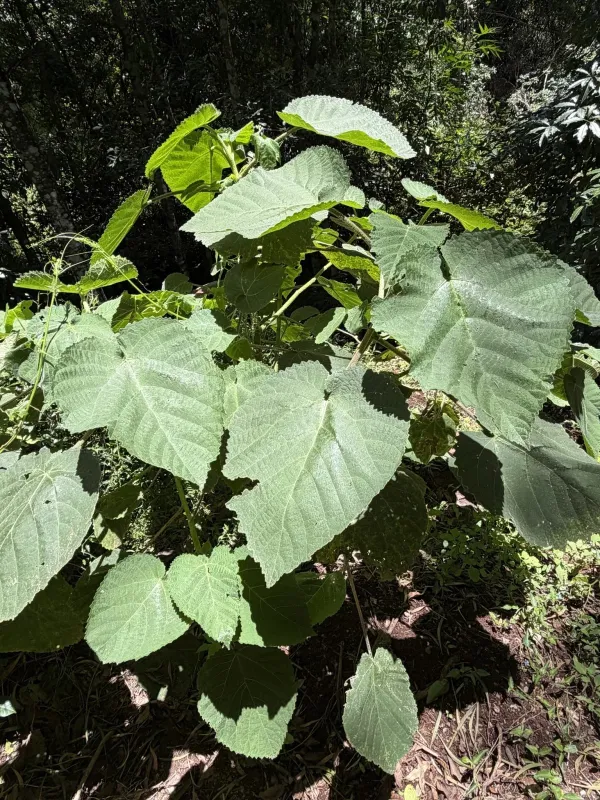
Description
Growing requirements
Dendrocnide excelsa, commonly known as the giant stinging tree, is a species of flowering plant in the family Urticaceae. It is a massive rainforest tree native to eastern Australia, capable of reaching heights of up to 40 meters in its natural habitat.
The plant thrives in subtropical and tropical rainforest environments, requiring rich, moist, and well-drained soils. High humidity is a critical factor for its successful growth, as the tree is native to regions with consistent annual rainfall.
Temperature sensitivity is a major factor in its cultivation. As a tropical species, it cannot withstand frost or cold snaps, limiting its commercial or experimental growth to sheltered zones or specialized greenhouse facilities where temperatures are strictly regulated.
Botanically, the plant is famous for its stinging hairs that cover its large, heart-shaped leaves. These hairs deliver a potent toxin upon physical contact, acting as a highly effective defense mechanism against herbivores and mammals in the wild.
Propagation is generally carried out via seeds or cuttings in a controlled nursery environment. Cultivators must exercise extreme caution, as the plant remains dangerous even when small, necessitating the use of specialized protective equipment during all stages of cultivation.
Main diseases and pests
Dendrocnide excelsa faces various threats from specialized insects, particularly leaf-eating larvae that have developed immunity to the plant's stinging toxins. These pests can cause significant defoliation if left unchecked in a plantation or garden setting.
Fungal infections are common in humid environments, especially those affecting the foliage and branches. Proper spacing and airflow management are essential to mitigate the risk of mold and rot diseases that thrive in dense tropical canopy conditions.
Root rot, driven by poor soil drainage and waterlogging, is a critical threat to the tree's health. Maintaining porous soil conditions is vital to ensure the root system remains healthy and capable of supporting the tree's rapid growth.
Viral pathogens may be transmitted by sap-sucking insects, leading to stunted growth or deformed leaf development. Monitoring programs are necessary to detect early symptoms and prevent the spread of infections throughout the cultivation area.
Environmental stress, including irregular weather patterns or habitat degradation, often leads to an increased susceptibility to secondary pests and diseases, making the trees more vulnerable to long-term decline.