
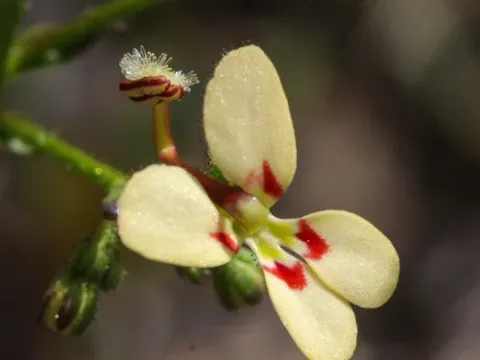
Stylidium
Stylidium
Stylidium is a diverse genus of plants within the Stylidiaceae family, famously known as "trigger plants" due to their unique column mechanism used for pollination. Most of these species are native to Australia, where they have adapted to diverse environments ranging from seasonally wet flats to rocky ridges.
What the section contains


Stylidium
The defining feature of this genus is the sensitive floral column, which acts as a lever to deposit pollen onto visiting insects. This evolutionary adaptation makes them a subject of great interest for botanists and professional growers interested in rare, specialized ornamental flora.
Successful cultivation requires high levels of light to support their metabolic needs. In most climates, Stylidium is grown in greenhouses or as a specialized container crop, as the plants are highly sensitive to frost and require stable temperatures between 18 and 25 degrees Celsius.
Soil requirements are quite specific: the medium must be highly porous and well-draining, mimicking the poor, sandy soils of their natural habitats. Using a mix of coarse sand, perlite, and a small amount of peat creates the necessary environment to prevent root rot.
Watering should be approached with caution, ensuring the substrate remains damp during the growing season without becoming saturated. Providing adequate airflow is essential, as the plants thrive in conditions where fresh air circulates freely around their foliage.
The primary threats to Stylidium health are soil-borne fungal pathogens, particularly those triggered by waterlogged conditions. Root rot is the most common cause of plant failure, making precise irrigation management the most critical aspect of the plant's horticultural care.
Spider mites are a persistent challenge, especially in indoor environments where low humidity levels prevail. Regular inspection of the undersides of the leaves is advised to detect early infestations before they lead to significant physiological decline.
Mealybugs can also infest the rosettes of the plants, feeding on sap and weakening the structure of the foliage. Infestations should be managed using mild horticultural soaps or biological control agents to avoid chemical damage to the delicate parts of the flower.
Poor ventilation often paves the way for powdery mildew, which can quickly spread across the leaf rosettes if left unaddressed. Enhancing air movement and ensuring proper spacing between plants is the most effective preventative strategy against fungal outbreaks.
Hygienic practices during propagation and potting are essential to maintain crop health. Always use sterile tools and fresh, high-quality substrate to minimize the risk of introducing pathogens into the growing system.