
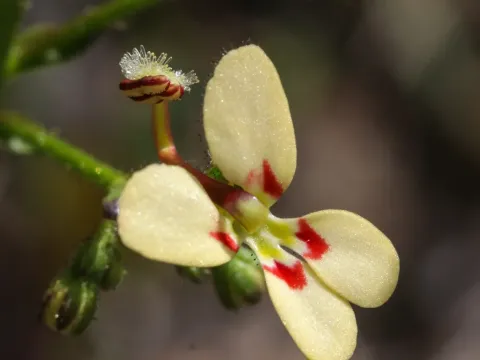
Stylidium
Stylidium Sw. ex Willd.
Stylidium is a genus of herbaceous plants belonging to the family Stylidiaceae. Known commonly as "trigger plants," these species are primarily native to Australia, where they have evolved to thrive in nutrient-poor soils and diverse ecological niches.
What the section contains

Stylidium
The most distinctive botanical feature of Stylidium is its specialized reproductive structure—a sensitive column that snaps forward when touched by a pollinator. This biological mechanism ensures precise pollen transfer, distinguishing the genus from other flowering plants.
Successful cultivation of Stylidium requires highly porous, well-drained growing media, often resembling sandy or rocky substrates. Excellent drainage is critical, as these plants are highly susceptible to root decay if water accumulates around the base.
These plants demand high light intensity to maintain compact growth and induce flowering. In a controlled environment or greenhouse, full exposure to natural light is preferred to prevent etiolation and structural weakness of the stem.
Climate requirements involve moderate temperatures with good air circulation. As many species are adapted to wild Australian environments, avoiding high humidity combined with stagnant air is essential for preventing physiological stress.
Root rot caused by fungal pathogens is the primary threat to the vitality of Stylidium. This often occurs when irrigation schedules do not account for the rapid evaporation needs of the plants or when drainage becomes clogged.
Pest pressures frequently include spider mites, which flourish in warm and dry greenhouse conditions. Additionally, mealybugs may target the crown of the plant, causing stunted growth and potential nutrient deficiencies in affected specimens.
Integrated pest management strategies are recommended, focusing on maintaining optimal humidity levels and physical sanitation. Frequent monitoring of leaf surfaces is necessary to catch infestations before they escalate into significant outbreaks.
Chemical treatments should be approached with caution, as Stylidium species can be sensitive to certain concentrated fertilizers and synthetic pesticides. Always test treatments on a small portion of the plant before broader application.
Preventative measures, such as using high-quality sterilized soil mixes and maintaining appropriate spacing, are the most effective ways to ensure the health of the collection throughout the entire growing season.