
Stylidium majus
Stylidium majus
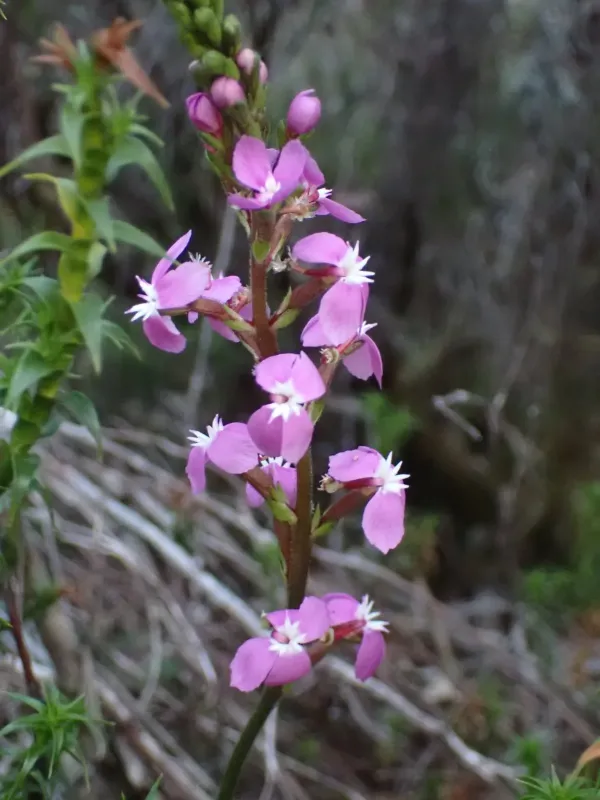
Description
Growing requirements
Stylidium majus is a fascinating member of the Stylidiaceae family. Native to Western Australia, this species has evolved in unique habitats, typically characterized by sandy soils and seasonal moisture patterns.
The plant is widely known for its complex botanical mechanism: a specialized trigger column that snaps instantly when touched by a pollinator, dusting it with pollen to facilitate cross-fertilization.
In terms of cultivation, it requires a well-draining, nutrient-poor substrate that mimics natural sandy heathlands. Waterlogging is detrimental to the roots, which require excellent aeration.
Light requirements are significant; the crop thrives in bright, indirect sunlight. Excessive direct heat can be harmful, so maintaining a stable, moderate temperature is essential for development.
Growing Stylidium majus involves careful management of humidity levels. While it requires consistent moisture, the growing medium must be allowed to dry slightly between watering cycles to prevent root rot.
Main diseases and pests
The most common agricultural threats to Stylidium majus include fungal infections such as root rot, which are often triggered by excessive soil moisture and poor airflow.
Humidity management is crucial, as damp conditions can quickly lead to mildew on the foliage, significantly affecting the plant's aesthetic value and photosynthetic capacity.
Pest pressure from spider mites and thrips poses a major challenge. These insects target the delicate floral structures and foliage, causing stunted growth and potential failure of the trigger mechanism.
Integrated pest management is recommended, focusing on maintaining hygienic growing conditions and using biological controls where possible to protect the sensitive trigger organs.
Early diagnosis is vital for any infestation. Regular monitoring of the plant's growth and health status allows for timely intervention before the infection spreads to other specimens.