
Stylidium debile
Stylidium debile
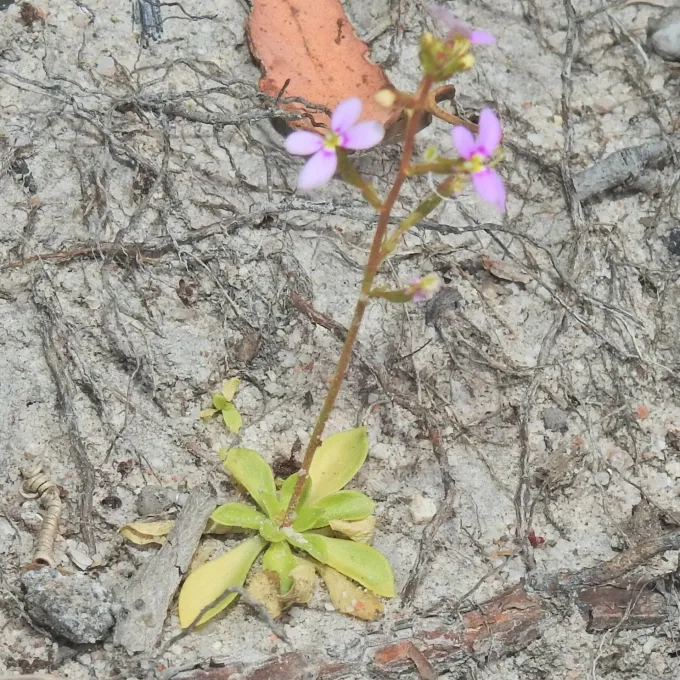
Description
Growing requirements
Stylidium debile, commonly known as a trigger plant, is a fascinating member of the Stylidiaceae family. It is native to the coastal and subtropical regions of Australia, where it thrives in moist, sandy, or peaty environments, often near creeks and seasonally inundated wetlands.
The plant is biologically famous for its specialized reproductive mechanism. The column, which contains the reproductive organs, remains sensitive to touch and can rapidly swing over the flower to strike insects, ensuring effective cross-pollination. This makes it a primary subject of study in botanical research.
Cultivating Stylidium debile requires strict adherence to its ecological needs. The soil must be highly acidic and nutrient-poor, mimicking its native habitat. A well-draining yet moisture-retentive substrate is critical for the long-term survival of the root system.
Environmental conditions should reflect a tropical-to-subtropical climate with high humidity levels. While the plant requires plenty of light to remain compact and healthy, it should be protected from harsh, direct midday sun to avoid leaf desiccation and stress.
In practice, the plant is mainly utilized in specialist collections, terrariums, and botanical research facilities. It is prized by hobbyists who focus on rare Australian flora and plants with unusual movement mechanisms. Its delicate aesthetics make it an attractive centerpiece for advanced growers.
Main diseases and pests
Fungal pathogens and root rot are the most common threats to Stylidium debile in cultivation. These issues typically stem from improper watering practices or inadequate airflow within the growing container, which can quickly turn the soil environment anaerobic.
Pest management is another crucial aspect of maintenance. Greenhouse pests, particularly spider mites, can colonize the plant during hot and dry spells. Effective control is usually achieved through high humidity levels and early detection, avoiding heavy chemical sprays that the plant's sensitive roots might not tolerate.