
Stylidium alsinoides
Stylidium alsinoides
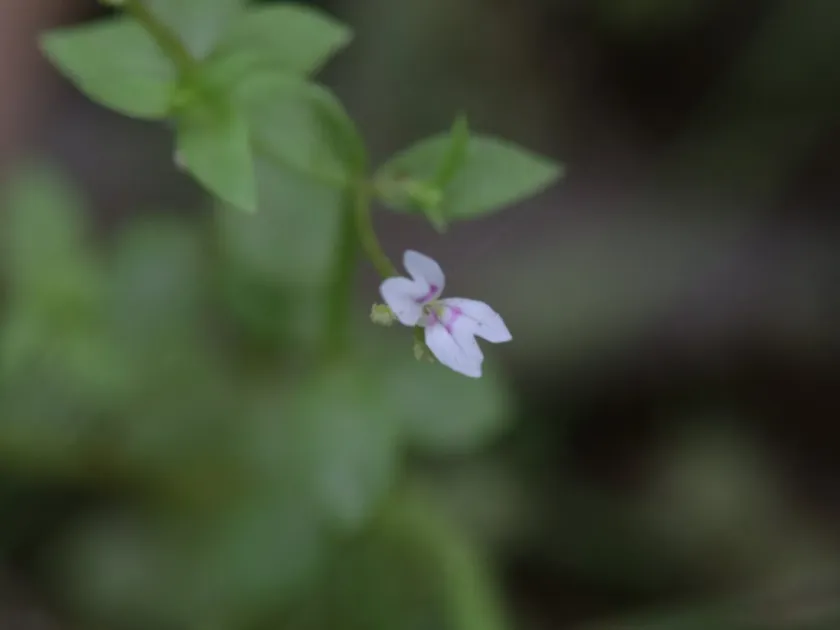
Description
Sowing dates
Stylidium alsinoides belongs to the Trigoniaceae family. In its natural habitat, this is an annual herbaceous plant whose life cycle is strictly tied to seasonal changes in humidity.
Seed propagation of this crop requires pre-stratification or simulation of emergence from the dormancy period. Sowing is usually carried out in specialized substrates simulating tropical savannah soils in early spring.
The sowing depth must be minimal, as the seeds are light-sensitive and require optimal light exposure for germination. Surface sowing ensures higher germination rates.
Maintaining stable moisture in the sowing bed until the first true leaves appear is a critical condition. Desiccation of the topsoil at the germination stage leads to the death of the seedlings.
In commercial or amateur cultivation, it is recommended to use tray-based growing methods to ensure that the plant can be transplanted into open soil or containers without root damage.
Growing requirements
The plant originates from the tropical regions of Northern Australia, determining its need for high temperatures throughout the growing season. It prefers sunny, open areas with minimal shading.
Soil requirements include the use of light, well-drained sandy or loamy soils with a moderately acidic reaction. It is vital to avoid water stagnation, which is detrimental to the root system.
During the active growth period, the crop requires regular but moderate watering. In domestic or greenhouse conditions, it is necessary to monitor air humidity, which should not drop below average.
A special physiological feature is the presence of a sensitive column in the flower that triggers upon contact with a pollinator. This requires the presence of natural pollinators or the use of specific manual pollination techniques.
Fertilization should be minimal, as the species is adapted to nutrient-poor soils. Excess nitrogen fertilizers can lead to excessive foliage growth at the expense of flowering.
Main diseases and pests
The main threats to cultivation are fungal infections caused by substrate waterlogging or insufficient air ventilation in greenhouse conditions.
Pests such as spider mites and aphids can attack the aerial part of the plant in dry air conditions, rapidly depleting its resources.
Root rot is the most dangerous disease, and prevention involves strictly adhering to the watering regimen and ensuring high-quality drainage.
In open fields, the plant may be damaged by soil nematodes, requiring pre-treatment of the substrate before planting.
Disease management includes the use of specialized fungicides, although biological protection methods are preferred for this species to maintain plant health and avoid stress.