
Synadenium
Synadenium
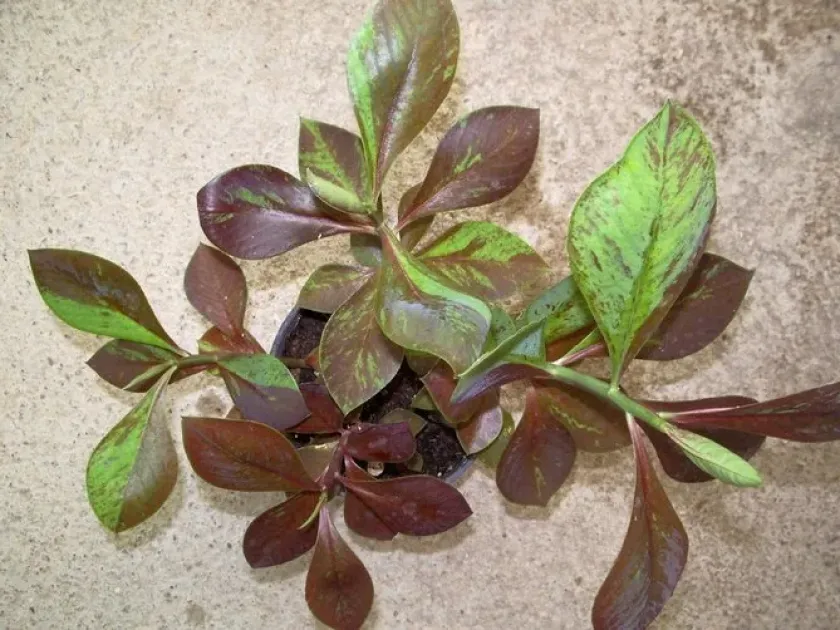
Description
Growing requirements
Synadenium is a genus of succulent plants belonging to the family Euphorbiaceae. Originating from the tropical and subtropical regions of Africa, these plants are well-known for their rapid growth and ability to thrive in warm, stable climates.
The culture requires bright, indirect light to maintain its robust health and vibrant foliage patterns. While it can tolerate some morning sun, excessive afternoon exposure in hot climates may cause leaf scorch, indicating the need for partial shading during peak hours.
The soil requirements are strict regarding drainage; a well-aerated potting mix is essential. A combination of coarse sand, perlite, and organic peat-based compost is standard, ensuring that the roots remain healthy and free from oxygen deprivation.
Temperature management is crucial, with an ideal range between 20°C and 28°C during the growing season. While Synadenium is resilient, it should be protected from sudden temperature drops and cold drafts, especially during the winter dormant phase.
Watering should be balanced, following a "soak and dry" method to prevent the substrate from becoming waterlogged. During winter, irrigation frequency must be significantly reduced to reflect the lower light levels and slower metabolic rate of the plant.
Main diseases and pests
The primary pests affecting Synadenium include spider mites, mealybugs, and scale insects. These pests often congregate in leaf axils, drawing sap and causing significant damage if infestations are left unchecked.
Root rot is the most serious threat, typically caused by overwatering or poor drainage systems. This condition often remains hidden until the plant shows signs of sudden wilting, often leading to the need for total substrate replacement.
Fungal leaf spot diseases may occur in high humidity environments with poor air circulation. Managing ventilation is key to preventing the spread of spores, and regular pruning can improve airflow through the dense foliage.
Effective pest management involves using specific systemic insecticides or organic alternatives like horticultural oils. It is highly recommended to isolate affected specimens to prevent the spread of insects to other plants in the collection.
When handling the plant, caution is advised due to the toxic latex contained within its stems. Always wear gloves, as the sap is highly irritating to the skin and eyes, and ensure that the area is well-ventilated during maintenance tasks.