
Stylidium kunthii
Stylidium kunthii
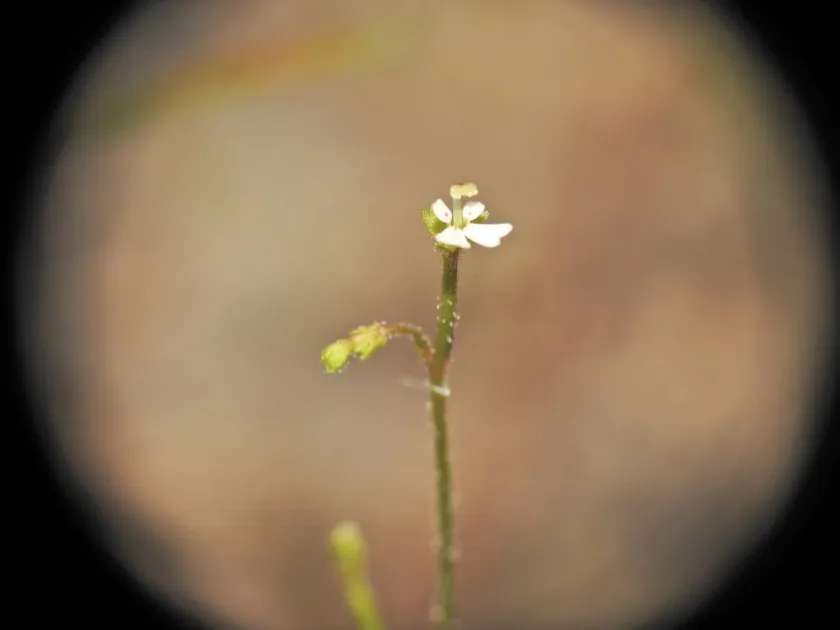
Description
Growing requirements
Stylidium kunthii is a fascinating herbaceous plant belonging to the Stylidiaceae family. Native to tropical regions of Asia, specifically parts of India and Sri Lanka, it is well-adapted to habitats characterized by seasonal flooding and moist, sandy, or silty soil conditions, reflecting its evolution in monsoon-dominated environments.
Botanically, the plant is famous for its unique movement mechanism, known as the "trigger." This structure, a modified reproductive column, rapidly flips when touched by an insect pollinator. This evolutionary adaptation is crucial for the plant's reproduction, ensuring that pollen is transferred efficiently while the insect visits the flower for nectar.
Cultivation of Stylidium kunthii requires replicating its native tropical environment. A steady, warm temperature is essential, ideally ranging between 22 and 28 degrees Celsius. The plant requires high atmospheric humidity and a growing medium that is constantly moist, yet well-drained, to prevent the roots from suffocating in stagnant water.
Regarding soil composition, a mixture of peat moss or coco coir combined with a high percentage of silica sand is recommended. This provides the necessary acidity and drainage while allowing for sufficient water retention. Fertilizer should be applied sparingly, as the species is adapted to nutrient-poor, boggy substrates common in its native range.
In terms of economic and practical use, Stylidium kunthii is primarily a subject of botanical interest. It is highly valued among enthusiasts of specialized flora and carnivorous plant collectors who appreciate its unique mechanical behavior. It is currently not grown as a broad-acre agricultural crop due to its complex environmental needs and small stature.
Main diseases and pests
Root pathogens represent the most significant threat to the survival of this species in artificial cultivation. Over-watering in cool conditions or poor circulation within the potting medium frequently leads to fungal decay of the root system, which is often fatal to the plant due to its small size and limited energy reserves.
Pest management is equally challenging. Common greenhouse pests, including spider mites and mealybugs, can quickly infest the foliage. Given the plant's sensitivity to chemical toxicity, biological control agents such as predatory mites are preferred over synthetic pesticides, which can cause severe phytotoxic damage to the delicate floral structures.