
Iochroma warcewiczii
Iochroma warcewiczii
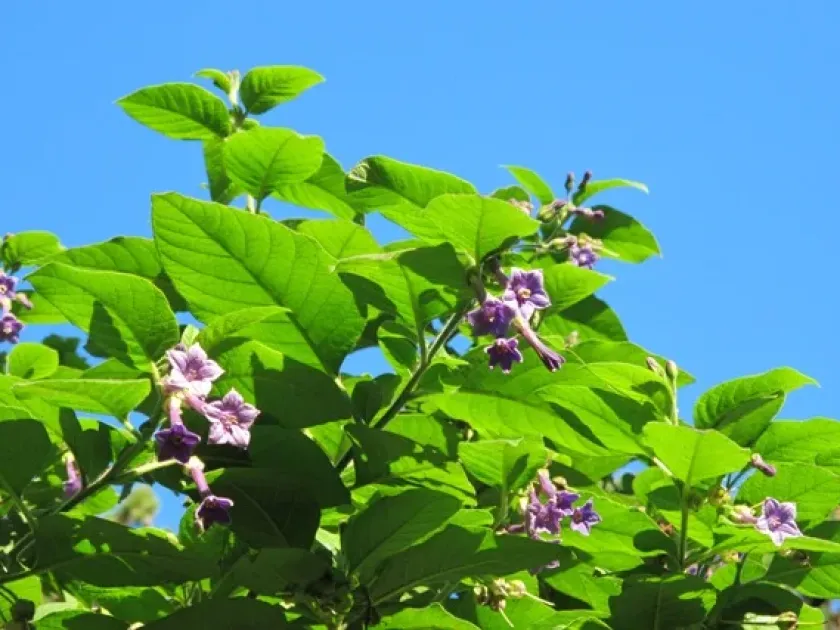
Description
Growing requirements
Iochroma warcewiczii is a distinctive woody shrub belonging to the Solanaceae family. Originating from the high-altitude cloud forests of the Andes in South America, this plant is well-regarded for its dramatic, tubular flowers and dense, lush foliage.
Cultivation of this species requires specific environmental conditions, as it thrives in cool, humid temperatures rather than extreme heat. In non-tropical regions, it is typically managed as a container plant that must be sheltered in a greenhouse or conservatory during cold seasons.
The soil requirements are quite specific: the medium must be fertile, well-aerated, and possess excellent drainage capabilities. A slightly acidic to neutral substrate rich in organic matter provides the best foundation for robust growth and frequent flower production.
Regular hydration is essential for Iochroma warcewiczii, especially during the peak growing season, to maintain turgor pressure in its large, soft leaves. However, it is vital to avoid waterlogging, which can lead to rapid root deterioration and plant decline.
Light levels should be bright but filtered; intense, direct sunlight can scorch the foliage, while insufficient light leads to spindly growth and a failure to bloom. Pruning is recommended after the flowering phase to maintain a compact form and encourage branching.
Main diseases and pests
Spider mites are the most common pests that affect Iochroma when grown indoors, particularly when the ambient air is dry. Maintaining adequate humidity levels and frequent misting can help prevent colonization by these tiny arthropods.
Whiteflies are another significant threat, often colonizing the underside of leaves and draining the plant's resources. They are best managed through consistent monitoring and the use of insecticidal soaps or systemic treatments when necessary.
Powdery mildew may manifest as a white, dusty layer on the leaves if airflow is restricted and moisture levels fluctuate improperly. Ensuring consistent air circulation is a critical component of preventing fungal outbreaks in a confined gardening space.
Root rot is typically caused by overwatering or using soil that is too compact and heavy. Proper drainage and allowing the top layer of the substrate to dry out between watering sessions are effective strategies for avoiding this lethal condition.
Aphids can also pose a nuisance during the early spring growth, targeting soft, emerging shoots. Removing them manually or using organic insecticidal sprays during the early stages of infestation is highly recommended to protect the plant's aesthetic value.