
Jaltomata viridiflora
Jaltomata viridiflora
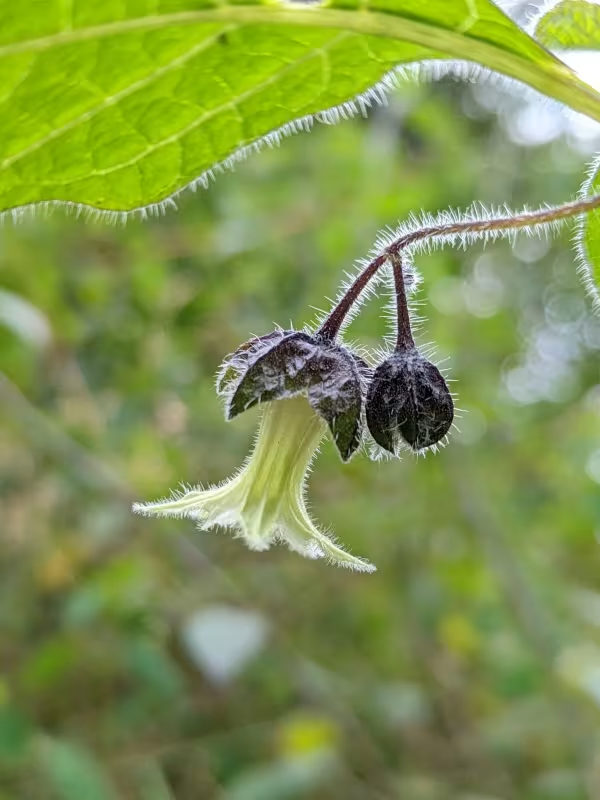
Description
Sowing dates
Jaltomata viridiflora is a member of the Solanaceae family that is typically started from seeds in a controlled environment. It is recommended to sow seeds indoors 6 to 8 weeks before the last expected frost date.
Use a well-draining, lightweight potting mix for sowing. The seeds should be planted at a shallow depth and kept in a warm environment, ideally between 22°C and 25°C, to ensure uniform germination.
Once the seedlings develop their first set of true leaves, they should be transplanted into individual pots. Providing sufficient artificial or natural light is crucial to prevent the seedlings from becoming leggy.
Transplanting into the garden or final containers should only occur after all risk of frost has passed. The plant is highly sensitive to cold and can be easily damaged by low temperatures.
Using row covers or greenhouse structures can significantly improve the establishment of young plants in regions with shorter growing seasons, ensuring the plant matures before the first autumn frost.
Growing requirements
Jaltomata viridiflora thrives in sunny locations with well-drained, nutrient-rich soil. A slightly acidic to neutral pH is optimal for healthy growth and maximum fruit production.
Consistent moisture is necessary, particularly during the flowering and fruit-setting stages. However, waterlogging should be strictly avoided as it can cause root rot and other fungal pathogens.
Incorporating well-rotted compost into the soil prior to planting provides a solid foundation for the crop. Supplementary feeding with a balanced fertilizer can support ongoing growth throughout the season.
Adequate spacing is essential, with 50-60 cm between plants recommended. This promotes air circulation around the foliage, which is a key factor in preventing disease outbreaks in humid conditions.
While the plant is quite versatile, it benefits from a sheltered spot that minimizes exposure to strong winds, which can damage the tender branches and disrupt the pollination process.
Yield
The primary value of Jaltomata viridiflora lies in its edible berries, which offer a unique flavor profile often described as a mix of tomato and sweet nightshade fruits. Harvest begins as soon as the berries reach maturity and soften.
Yield efficiency is heavily dependent on sunlight exposure and effective pollination. In optimal settings, the plant provides a continuous supply of fruits throughout the warmer months of the year.
The fruits have a relatively short shelf life once picked, so they are best enjoyed fresh. They are also excellent for culinary experimentation, including the preparation of exotic sauces, jellies, and desserts.
Pollination can be encouraged by planting flowers nearby that attract bees and other insects. In a closed greenhouse environment, gentle shaking of the plants can help distribute pollen effectively.
Consistent harvesting encourages the plant to produce more blooms and fruits, extending the production window significantly until the plant's natural life cycle is halted by cooling temperatures.
Main diseases and pests
Common pests affecting Jaltomata viridiflora include aphids, which frequently target tender new growth. Early detection through regular monitoring is the best strategy for maintaining plant vigor.
The Colorado potato beetle, a common enemy of Solanaceae, can cause significant defoliation. Hand-picking the insects or using approved organic insecticides is necessary if an infestation occurs.
Fungal diseases, such as powdery mildew or late blight, may develop if the foliage remains wet for extended periods or if there is poor ventilation. Proper spacing and watering at the base are preventive measures.
Spider mites can become a problem in hot, dry conditions, particularly in greenhouses. Maintaining appropriate humidity levels and ensuring good airflow can help mitigate the risk of mite colonization.
Crop rotation is a fundamental practice to avoid soil-borne pathogens. Avoid planting Jaltomata in areas where other nightshade family members have been grown in the previous three years.