
Jaltomata procumbens
Jaltomata procumbens
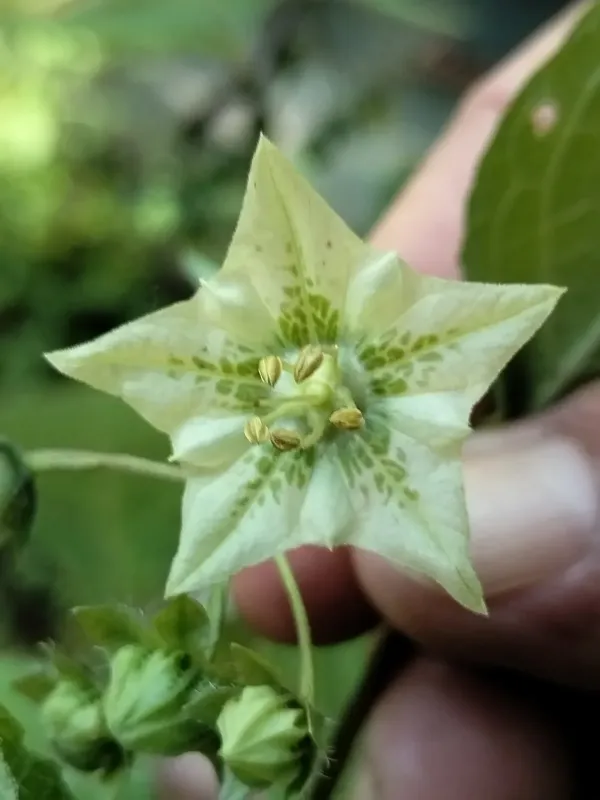
Description
Sowing dates
Jaltomata procumbens is a member of the Solanaceae family, typically grown as an annual herb in many climates, although it is perennial in its native range. Seeds should be started indoors 6 to 8 weeks before the last expected frost date to ensure a successful growing season.
The germination of Jaltomata seeds can be slow and sporadic, so pre-soaking seeds or using growth stimulants can improve the rate of emergence. Once all danger of frost has passed and the soil has sufficiently warmed, seedlings can be transplanted into the garden beds.
It is recommended to space plants at least 50 to 60 centimeters apart. This spacing is crucial because the plant tends to spread horizontally, and adequate room encourages better air circulation, reducing the risk of fungal infections within the foliage.
If direct seeding is preferred, it should only be performed when soil temperatures are consistently above 15 degrees Celsius. However, the transplanting method remains the gold standard in cooler climates to maximize the harvest period before autumn temperatures drop.
Initial care for young seedlings requires consistent but moderate soil moisture. Overwatering should be strictly avoided to prevent damping-off, a common ailment that affects many nightshade seedlings during their early developmental stages.
Growing requirements
Jaltomata procumbens thrives in locations with full sun exposure and well-draining, nutrient-rich soil. The plant prefers slightly acidic to neutral soil pH levels and benefits significantly from the addition of organic compost or aged manure before planting.
Regular irrigation is necessary throughout the growing season, especially during flowering and fruit setting. While the plant appreciates consistent moisture, it does not tolerate waterlogged conditions, which can quickly lead to root rot if drainage is insufficient.
The ideal temperature for optimal growth ranges between 20 and 28 degrees Celsius. Growth slows significantly if temperatures fall below 10 degrees Celsius, and the plant is highly sensitive to frost, which will cause immediate tissue damage and death.
Fertilization should be balanced, focusing on potassium and phosphorus during the blooming phase to support fruit production. Excess nitrogen should be avoided, as it encourages excessive vegetative growth rather than berry development.
Mulching the soil around the base of the plant is highly beneficial for moisture retention and weed control. Furthermore, mulch prevents the berries from resting directly on damp soil, which maintains fruit cleanliness and reduces the potential for rot.
Yield
The yield of Jaltomata procumbens depends on sunlight availability and consistent moisture levels. The plant is known for its extended harvest season, as it continuously produces berries in the leaf axils throughout the warmer months.
The fruits are small, juicy berries that turn from green to a deep, dark purple or black color when fully ripe. They have a unique flavor profile that is distinctive among solanaceous crops, often described as mildly sweet with a pleasant earthiness.
Because the berries ripen over a prolonged period, multiple harvests are required. This makes the plant an excellent choice for small-scale gardens or collectors who appreciate the ability to pick fresh produce consistently over several months.
While individual berries are small, the prolific nature of the plant allows for a rewarding harvest volume. When provided with optimal conditions, a single well-tended plant can provide a substantial amount of fruit for fresh consumption or culinary use.
Frequency of picking is essential for maintaining productivity. Regularly harvesting the ripe berries signals the plant to continue diverting energy toward new flower buds and fruit formation, effectively extending the plant's productive life cycle.
Main diseases and pests
Jaltomata procumbens is susceptible to the same pathogens as other common nightshades. Late blight can be a significant threat in humid and cool conditions, often resulting in withered leaves and spoiled fruit, requiring careful monitoring.
Pests like the Colorado potato beetle may find Jaltomata attractive if other Solanaceae are absent. Proactive inspection of leaves for eggs and larvae is necessary to prevent significant foliage damage that can weaken the overall health of the plant.
Aphids and whiteflies can infest the plants, particularly when grown in greenhouses or sheltered areas. These pests feed on sap and can act as vectors for viral diseases, making integrated pest management strategies highly recommended.
Powdery mildew may occur when there are significant fluctuations between day and night temperatures, appearing as a dusty white coating on the leaves. Proper spacing and airflow are the best preventative measures against this fungal issue.
Root system issues are often linked to improper watering practices. If the plant shows signs of wilting despite moist soil, it may indicate root rot. Improving soil aeration and adjusting the irrigation schedule can often rectify such problems.
Harvesting
Harvesting should occur only when the berries have achieved their final, deep-colored state. Harvesting too early results in a bland or grassy flavor, as the sugar content has not fully developed within the maturing fruit.
The berries are delicate and have thin skins, necessitating gentle handling during and after harvest. They do not store well for long periods at room temperature and should be used shortly after being picked for the best culinary experience.
These berries are versatile in the kitchen, suitable for fresh eating, incorporation into fruit salads, or use in jams, sauces, and specialized desserts. Their unique nutritional properties are a subject of interest for those seeking diverse food sources.
A typical harvest schedule involves gathering fruit every few days during the peak season. This routine prevents fruit drop, which not only wastes produce but also attracts unwanted pests to the garden area.
After the final harvest, which usually ends with the first frost of autumn, the plant material should be removed from the site. Proper disposal of debris is a crucial sanitary practice to prevent the overwintering of pathogens that could affect future crops.