
Jaltomata contorta
Jaltomata contorta
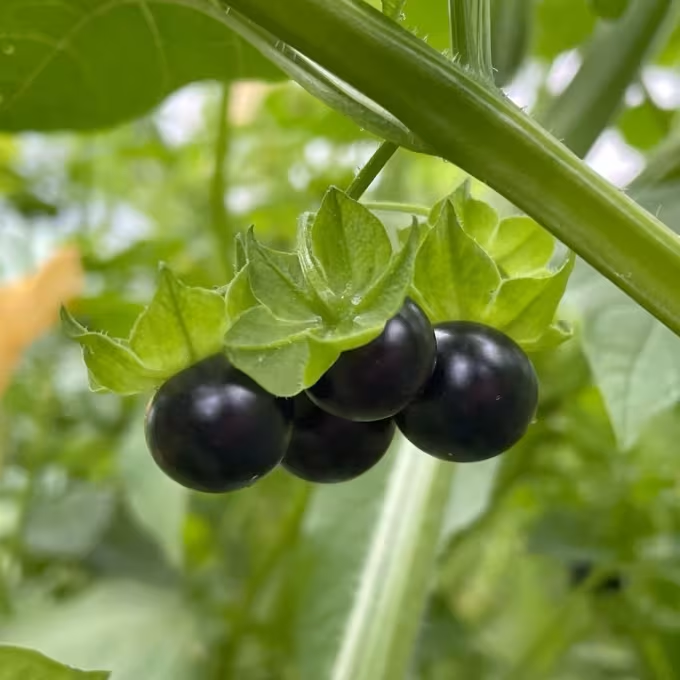
Description
Sowing dates
Sowing Jaltomata contorta is best achieved through greenhouse propagation to ensure a healthy start. Seeds should be sown approximately 6 to 8 weeks before the expected date of the last spring frost in your region.
Optimal germination requires a warm, consistent soil temperature between 22 and 25 degrees Celsius. Use a high-quality seed starting mix and ensure the container is placed in a well-lit location to prevent leggy seedlings.
When the first true leaves appear, transplant the seedlings into individual pots. This species is sensitive to root disturbance, so using biodegradable peat or coir pots can help ease the stress of transplanting.
Hardening off the seedlings is an essential process to prepare them for the outdoor environment. Gradually expose the plants to sunlight and cooler temperatures over the course of two weeks before moving them outside.
Transplanting to the final growing location should occur only after all risks of frost have passed and the soil has warmed up significantly. Choose a spot with full sun exposure for the best results.
Growing requirements
Jaltomata contorta belongs to the Solanaceae family, which dictates many of its specific growing needs. This crop thrives in warm climates and requires consistent, long periods of direct sunlight to reach its full potential.
The ideal soil is fertile, well-draining, and rich in organic matter. Avoid heavy clay soils that retain excess moisture, as Jaltomata is prone to root rot if the roots are left in waterlogged conditions.
Regular but moderate watering is necessary throughout the growing season. It is best to water the soil at the base of the plant to keep the foliage dry, which helps reduce the risk of common fungal diseases.
A balanced fertilizer applied during the early vegetative stage supports growth, while a potassium-rich fertilizer later in the season encourages fruit development. Avoid excessive nitrogen, which promotes foliage over yield.
Providing adequate airflow is crucial for this plant. Space individuals sufficiently apart during planting to ensure good ventilation, which significantly minimizes the incidence of mildew and blight.
Main diseases and pests
As with many Solanaceous crops, Jaltomata contorta can be susceptible to common pests like aphids, whiteflies, and spider mites. Regular scouting of the leaves and stems is essential for early detection.
Fungal issues, such as blight or leaf spot, may occur if the plants are grown in conditions with poor airflow or high humidity. Maintaining clean beds and removing plant debris reduces infection sources.
In cases of heavy infestation, using organic neem-based treatments or insecticidal soaps can be effective. Always follow the manufacturer's guidelines regarding application frequencies and safety for food crops.
Crop rotation is a critical management practice. Avoid planting Jaltomata in areas where tomatoes, potatoes, or peppers have been grown recently to break the lifecycle of soil-borne pathogens.
Monitoring for signs of viral infections is also important, as aphids can spread viruses quickly. Controlling weed populations in the vicinity of the crop helps remove alternative hosts for these vectors.
Harvesting
Harvesting Jaltomata contorta fruits involves selective picking, as berries ripen over time. They should be harvested when they reach their final, characteristic color and exhibit a slight softness to the touch.
Pick the berries carefully, ideally in the morning hours once the dew has evaporated. This ensures the fruits are clean and maintains their quality for a longer duration after harvest.
The fruits are delicate and have a relatively short shelf life, so they are best consumed or processed shortly after gathering. If storage is required, keep them refrigerated in a shallow container.
Jaltomata contorta offers unique culinary potential for chefs and gardeners interested in rare Solanaceae varieties. Their distinct flavor profile works well in fresh fruit salads or creative culinary applications.
Regular harvesting encourages the plant to continue producing fruits until the first frosts. Clean up any fallen berries from the ground to keep the growing area tidy and prevent the spread of mold.