
Physaliastrum japonicum
Physaliastrum japonicum
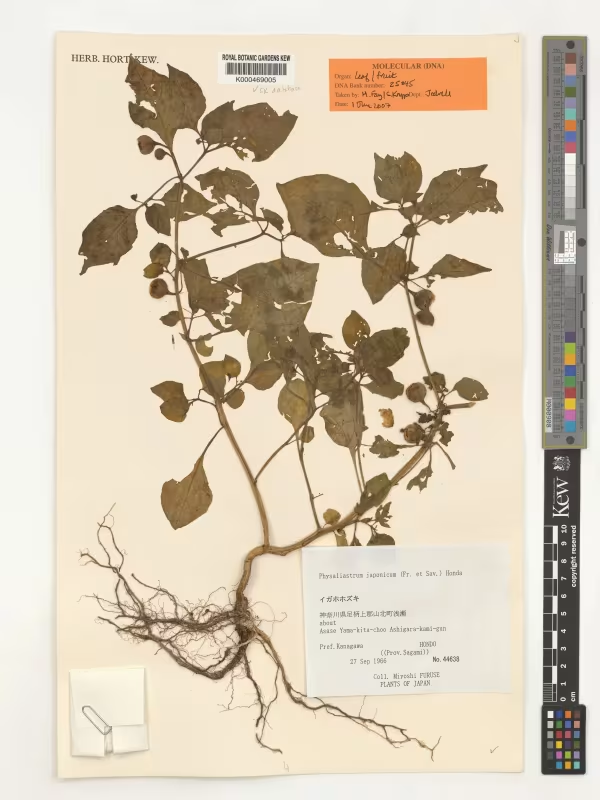
Description
Growing requirements
Physaliastrum japonicum is a perennial herbaceous plant belonging to the Solanaceae (nightshade) family. Originating from the temperate forests of East Asia, it has historically thrived in the understory of Japanese and Chinese woodland habitats.
This species requires specific soil conditions to flourish; it prefers well-drained, humus-rich soil that mimics the forest floor. Providing a substrate with high organic matter content is essential for supporting its long-term health and growth cycles.
In terms of climatic demands, Physaliastrum japonicum prefers locations with cool temperatures and high humidity. It is not drought-tolerant and requires consistent moisture, making it unsuitable for hot, arid climates without significant irrigation intervention.
Botanically, the plant is characterized by its Solanaceous traits, featuring distinct flowers that develop into fruits encased in persistent calyces. Its growth habit is relatively compact, making it a manageable candidate for specialized horticultural projects.
Currently, the usage of this plant is primarily focused on botanical research and niche ornamental gardening, as it has not yet achieved status as a broad-scale commercial agricultural commodity.
Main diseases and pests
Physaliastrum japonicum is susceptible to standard nightshade diseases, including late blight and various fungal wilt pathogens that thrive in wet or humid environmental conditions.
Pest management is a critical aspect of its care, particularly regarding aphids and Colorado potato beetles, which can strip foliage and significantly reduce the photosynthetic capacity of the plant.
Root rot, often caused by overwatering or poor drainage, represents the most significant threat to the plant's survival. Maintaining the correct moisture balance is the primary defensive strategy against these issues.
Slugs and snails can pose a major nuisance, especially during the early stages of the growing season when new shoots are soft and succulent, potentially destroying the young plant if left unchecked.
Integrated pest management (IPM) practices, such as encouraging natural predators and avoiding chemical overuse, are recommended to maintain a healthy population of this rare Solanaceae species.