
Bladder cherry
Alkekengi officinarum
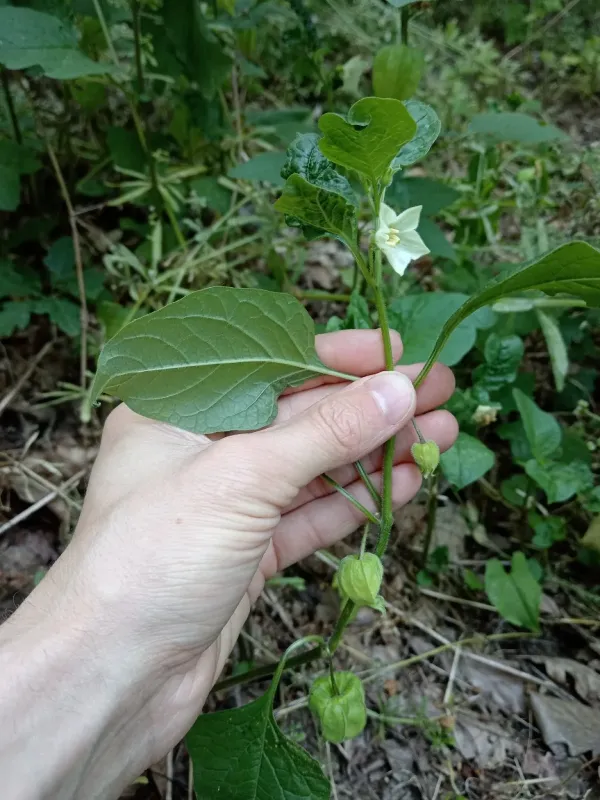
Description
Sowing dates
Seeds of the bladder cherry should be sown indoors 40 to 50 days before the last expected frost to ensure a strong start for the planting season.
The seeds are placed in a nutrient-rich, moist soil mix at a depth of about 1 cm, spaced evenly to prevent overcrowding and promote healthy seedling development.
Maintaining a temperature of 20–22°C is critical for successful germination, followed by a slight decrease in temperature after the sprouts emerge.
Once the seedlings have developed two true leaves, they should be transplanted into individual pots to encourage the growth of a robust root system.
Hardening off the seedlings before moving them to the outdoor environment is essential to acclimate the plants to variable light and wind conditions.
Growing requirements
Alkekengi officinarum is a member of the Solanaceae family, known for its persistent creeping rhizomes that allow it to spread effectively in garden settings.
This species thrives in sunny locations but can tolerate partial shade, requiring fertile, well-drained soil with a slightly alkaline to neutral pH level.
As a hardy perennial, the bladder cherry is highly resistant to frost and cold winters, making it a reliable plant in temperate climate zones.
Adequate moisture is necessary during the active growing season, though the plant is somewhat drought-tolerant once established in the soil.
Gardeners should consider root barriers if they intend to contain the plant, as its spreading nature can quickly dominate smaller landscape areas.
Yield
The yield of this crop is primarily characterized by the production of bright orange berries encased in papery, lantern-like calyces, which are visually striking.
The plant begins its reproductive cycle in late summer, providing a consistent supply of fruits until the first hard frosts arrive in the late autumn.
While the fruits have a distinct flavor profile, they are widely recognized for their traditional medicinal applications and nutritional components.
Optimizing sunlight exposure and providing balanced nitrogen-potassium fertilizers during the vegetative stage can significantly increase total yield.
Productivity is also tied to the age of the rhizome patch, with mature plantings often yielding a larger number of decorative lanterns per square meter.
Main diseases and pests
Like many members of the Solanaceae family, the bladder cherry can be susceptible to common pathogens such as late blight, fusarium wilt, and viral infections.
Pests such as Colorado potato beetles, aphids, and slugs can cause localized damage to leaves and stems, necessitating integrated pest management strategies.
- Late blight — causes dark spots and tissue decay in damp conditions.
- Aphids — act as vectors for various plant viruses that affect nightshades.
- Wireworms — target the root system, potentially weakening the entire plant.
Cultural practices like maintaining proper plant spacing and removing crop debris are the most effective ways to mitigate disease outbreaks.
If chemical intervention becomes necessary, gardeners must prioritize products with low toxicity and adhere to safe pre-harvest intervals.
Harvesting
Harvesting is conducted when the calyces have turned a bright, mature orange color and feel papery to the touch, indicating that the berry inside is ripe.
Fruits are collected by clipping the stalks to ensure the delicate lanterns remain intact, which is essential for both culinary and ornamental use.
Drying the harvested lanterns in a cool, ventilated space prevents mold growth and helps preserve the vibrant coloration of the papery husks for months.
For ornamental displays, stalks can be harvested even when the lanterns are slightly less mature, provided they are dried away from direct sunlight.
Culinary use requires peeling back the husk to extract the berry, as the calyx itself is bitter and serves only as a natural protective covering.