
Bouchetia erecta
Bouchetia erecta
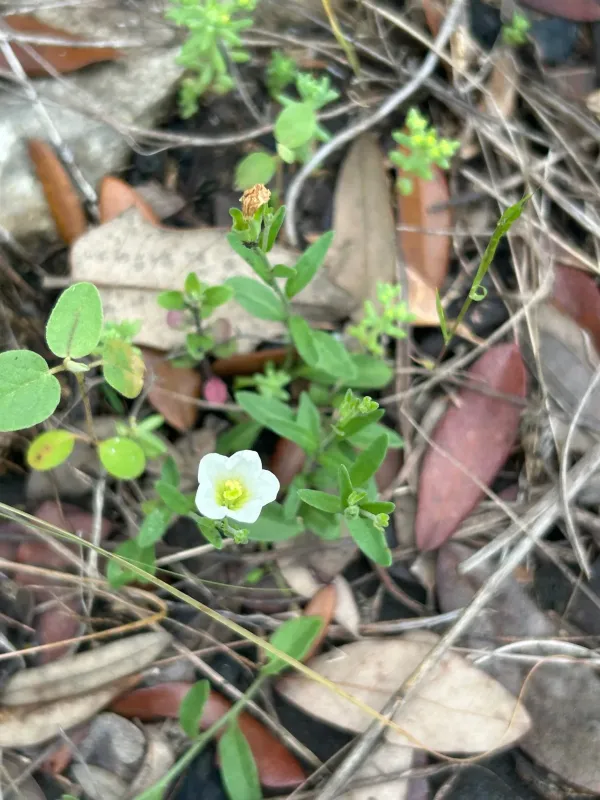
Description
Growing requirements
Bouchetia erecta is a herbaceous perennial plant belonging to the Solanaceae family. Known for its distinct upright growth habit, this species serves as a significant biological example of the diverse morphological adaptations within the nightshade family.
The species is native to parts of North and South America, particularly Mexico. It flourishes in ecosystems that provide warm temperatures and well-defined light cycles, which are essential for its metabolic processes and overall plant development.
Soil requirements for Bouchetia erecta include well-drained, fertile substrates. The plant is highly sensitive to waterlogged conditions, which can lead to anaerobic stress in the root zone and eventually compromise the plant's structural integrity.
Climate adaptation involves a preference for temperate to subtropical environments. While the plant can tolerate varying levels of sunlight, it performs best in full exposure, provided that air circulation is sufficient to prevent heat stress and humidity-related issues.
Agrotechnical management should focus on consistent moisture levels without saturation. Maintaining optimal nutrient levels, specifically phosphorus and potassium, supports the development of the root system and promotes healthier floral output throughout the growing season.
Main diseases and pests
Like many members of the Solanaceae family, this species is susceptible to a range of fungal diseases. Powdery mildew is among the most frequent threats, particularly in environments where humidity fluctuations are frequent and stagnant air is present.
Common pests include aphids, whiteflies, and mites. These insects not only feed on the plant sap, causing stunted growth, but also act as vectors for viral pathogens that can devastate the crop if left unmanaged.
Integrated Pest Management (IPM) strategies are recommended for controlling threats. This includes the use of beneficial predatory insects, sticky traps, and targeted applications of organic or chemical pesticides when infestation levels reach economic thresholds.
Cultural controls are paramount in mitigating disease risks. Proper spacing between plants ensures adequate ventilation, which significantly reduces the survival rate of fungal spores on the leaves and stems.
Routine inspections and the timely removal of infected debris are necessary to break the lifecycle of common nightshade pests. Implementing these practices ensures the long-term sustainability of the planting site and enhances overall crop vigor.