
Tansy-leaved figwort
Scrophularia tanacetifolia
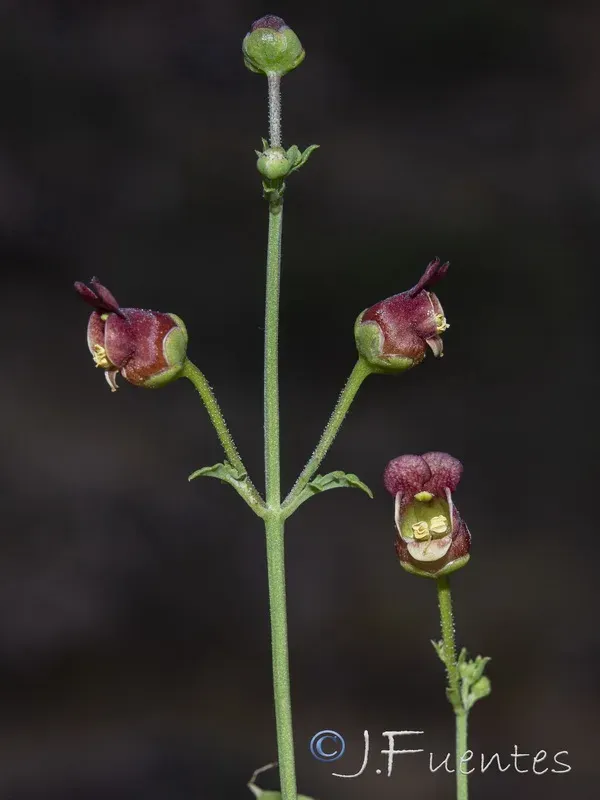
Description
Growing requirements
Tansy-leaved figwort (Scrophularia tanacetifolia) is a perennial herbaceous plant belonging to the Scrophulariaceae family. Native to the mountainous regions of Central Asia, it has evolved to survive in diverse and often harsh environmental conditions.
The plant thrives in well-drained, fertile soils with a neutral pH level. It prefers sunny locations but demonstrates a high degree of adaptability to partial shade. The species is notably cold-hardy, allowing it to withstand the fluctuations of continental climates without significant damage.
Water requirements for this crop are moderate. Consistent moisture is essential during the establishment phase, while established plants show a degree of drought tolerance. Proper drainage is crucial, as the root system is susceptible to decay in waterlogged environments.
Agronomic practices for Scrophularia tanacetifolia involve regular soil aeration through cultivation and the application of balanced fertilizers during the early spring growth flush. Proper spacing between rows is necessary to prevent overcrowding and ensure maximum plant health.
Beyond its ecological value as a honey plant, the tansy-leaved figwort is recognized for its phytochemical composition. It has historical and modern potential for use in herbal medicine, contributing to its status as a niche but valuable industrial crop.
Main diseases and pests
The crop is prone to fungal infections such as powdery mildew, especially in environments with high humidity and poor air circulation. Common agricultural pests including aphids and various beetle larvae may infest the foliage, requiring integrated pest management strategies.