
Syrian figwort
Scrophularia syriaca
Description
Growing requirements
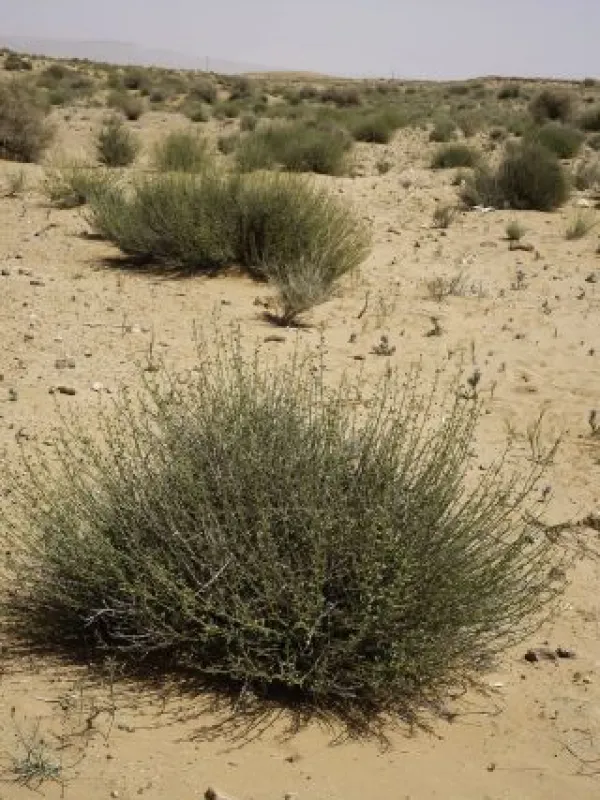
Syrian figwort (Scrophularia syriaca) is a herbaceous perennial belonging to the Scrophulariaceae family. Native to the arid zones of Western Asia and the Levant, it is a plant well-adapted to surviving in demanding, water-stressed environments.
Botanically, this species is characterized by its deep, robust root system, which allows it to thrive in nutrient-poor and rocky soil conditions. It requires excellent drainage to prevent root rot, making it unsuitable for heavy, water-retaining clay soils.
The plant's climatic requirements are centered on high light intensity and long periods of warm, dry weather. It does not tolerate shade, which causes it to become spindly and reduces the concentration of active medicinal compounds found in its tissues.
Cultivation practices involve creating a site with optimal solar exposure and minimal moisture competition. It is generally hardy, yet it requires careful moisture management to maintain its physiological health during the initial stages of establishment.
In terms of agricultural use, Syrian figwort is valued for its phytochemical potential. Its leaves and roots contain various secondary metabolites, making it an object of interest for ethnobotanical studies and pharmacological research into plant-based remedies.
Main diseases and pests
The primary threats to Scrophularia syriaca are fungal pathogens driven by humidity and poor air circulation. Root decay is the most significant disease, often appearing when the soil remains too wet for extended periods.
Leaf-feeding insects, including caterpillars and various larvae, can present a major challenge. These pests can rapidly defoliate plants during the growing season, significantly impacting the biomass yield necessary for harvesting.
Aphid infestations are also common, particularly during the spring growth flush. These insects not only sap the plant of essential nutrients but can also serve as vectors for viral pathogens that may persist in the crop population.
Maintaining proper plant spacing is the most effective cultural method to prevent the spread of diseases. Ensuring a healthy, airy environment reduces the microclimate conditions that favor the rapid reproduction of fungal spores and harmful pests.
Integrated pest management strategies are recommended, focusing on early detection and the use of ecological solutions. Applying heavy pesticides should be avoided, as the final crop is often designated for pharmaceutical extraction, which requires high standards of purity.